Key Vitamins for Blood Sugar Control
October 22, 2026
Vitamin D Deficiency in Nigeria: Prevalence, Benefits, and Supplementation
October 23, 2026
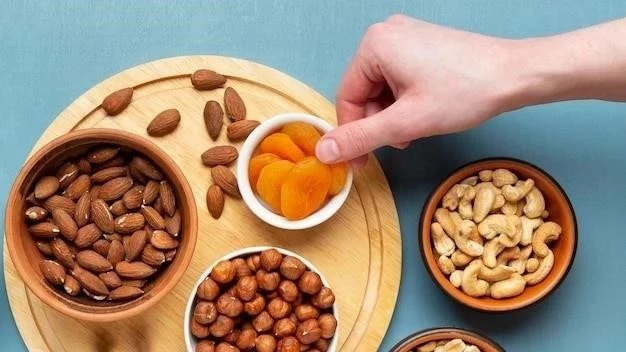
Biotin, also known as Vitamin B7, is an essential nutrient crucial for various bodily functions, including converting food into energy, supporting healthy hair, skin, and nails, and nerve function. While many get enough biotin through diet (eggs, nuts, seeds, sweet potatoes), supplementation is popular. But when should you take biotin for the best absorption and effects?
Understanding Biotin & Absorption
Biotin is a water-soluble vitamin, meaning your body doesn’t store large amounts. Excess biotin is typically excreted through urine. This impacts when you take it – consistent intake is more important than a massive dose at once. Absorption primarily happens in the small intestine. Factors like gut health and certain medications can influence how well you absorb biotin.
Optimal Timing: With Food or Without?
The consensus leans towards taking biotin with food. Here’s why:
- Enhanced Absorption: Food stimulates digestive processes, potentially aiding biotin absorption.
- Reduced Side Effects: While rare, some experience mild digestive upset on an empty stomach.
- Consistent Levels: Taking it with a meal helps maintain more stable biotin levels throughout the day.
However, taking biotin on an empty stomach isn’t necessarily wrong. Some individuals report no issues. Experiment to see what works best for you.
Best Times of Day
You can split your daily dose. For example:
- With Breakfast: A convenient option to start your day.
- With Lunch: Another easy way to ensure consistent intake.
Consistency is more vital than the specific meal. Choose a time you’ll remember and stick to it.
Potential Interactions & Considerations
Important: Biotin can interfere with certain lab tests, particularly thyroid tests and troponin tests (used for heart attack diagnosis). Always inform your doctor if you’re taking biotin supplements before any blood work. Avoid high doses before testing.
Certain medications, like anticonvulsants, can deplete biotin levels. Discuss supplementation with your doctor if you’re on medication.
Dosage
The Recommended Dietary Allowance (RDA) for biotin is relatively low (30 mcg for adults). However, supplements often contain much higher doses (1000-5000 mcg). Higher doses aren’t necessarily more effective, and excess is excreted. Consult a healthcare professional to determine the appropriate dosage for your needs.