
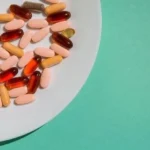
Nutritional Supplements An Overview
February 26, 2026
Vitamin D The Sunshine Vitamin Explained
February 27, 2026
Iron is an essential mineral vital for numerous bodily functions, most notably the production of hemoglobin, a protein in red blood cells that carries oxygen from the lungs to the rest of the body. When iron levels are insufficient, it can lead to iron deficiency, a common nutritional deficiency worldwide, with symptoms ranging from fatigue and weakness to shortness of breath and pale skin. To combat this, healthcare providers often recommend iron supplements, with the 325mg dose being among the most frequently prescribed.
What Does “325mg Iron Supplement” Mean?
When you see a label stating “325mg iron supplement,” it almost invariably refers to 325 milligrams of ferrous sulfate. It’s crucial to understand that this number does not represent the amount of elemental iron. Ferrous sulfate is a salt, and only a fraction of its total weight is elemental iron, which is the form the body can actually absorb and use.
- A 325mg tablet of ferrous sulfate typically contains approximately 65mg of elemental iron.
- This elemental iron content is what truly matters for therapeutic effect.
Who Benefits from 325mg Iron Supplements?
These supplements are primarily prescribed to individuals diagnosed with iron deficiency or iron deficiency anemia. Specific groups at higher risk include:
- Pregnant Women: Increased blood volume and fetal development demand more iron.
- Individuals with Heavy Menstrual Bleeding: Significant blood loss monthly can deplete iron stores.
- People with Chronic Blood Loss: Conditions like ulcers, hemorrhoids, or certain cancers can lead to hidden blood loss.
- Vegetarians and Vegans: Dietary iron from plant sources (non-heme iron) is less readily absorbed than heme iron from animal products.
- Individuals with Malabsorption Issues: Conditions such as celiac disease, Crohn’s disease, or those who have undergone bariatric surgery may struggle to absorb iron from food.
Dosage, Administration, and Absorption Tips
A healthcare professional will determine the appropriate dosage and duration of treatment. Generally, 325mg ferrous sulfate (65mg elemental iron) is taken once or twice daily.
- Empty Stomach: For optimal absorption, iron is best taken on an empty stomach, about one hour before or two hours after meals.
- With Vitamin C: Vitamin C significantly enhances iron absorption. Taking the supplement with a glass of orange juice or a vitamin C tablet is often recommended.
- Avoid Certain Substances: Calcium (milk, antacids), coffee, tea, and some whole grains can inhibit iron absorption. It’s best to take iron supplements a few hours apart from these.
Potential Side Effects
While effective, iron supplements, especially at higher doses, can cause gastrointestinal side effects:
- Constipation or diarrhea
- Nausea and vomiting
- Stomach upset or heartburn
- Darkening of stools (a harmless side effect due to unabsorbed iron)
To minimize these, some individuals may start with a lower dose, take it with a small amount of food (though absorption may be reduced), or switch to a different form of iron, as advised by their doctor.
Important Considerations and Warnings
Iron supplements should never be taken without a doctor’s diagnosis and supervision. Self-medicating can mask underlying conditions or lead to iron overload, which can be dangerous.
- Iron Overload: Excessive iron can accumulate in organs like the liver, heart, and pancreas, causing serious damage.
- Child Safety: Iron poisoning is a leading cause of accidental poisoning deaths in young children. Always keep iron supplements in child-resistant containers and out of reach.
- Drug Interactions: Iron can interact with various medications, including thyroid hormones, certain antibiotics (tetracyclines, quinolones), and antacids. Inform your doctor about all medications you are taking.
325mg iron supplements, typically ferrous sulfate providing 65mg of elemental iron, are a common and effective treatment for iron deficiency. However, their use requires careful medical guidance to ensure proper diagnosis, appropriate dosage, and monitoring for side effects and potential interactions. Always consult your healthcare provider before starting any iron supplementation regimen.