

Exploring Women’s Health Supplements Beyond Primal Queen
February 3, 2026
The Science and Benefits of C15:0 Supplements
February 4, 2026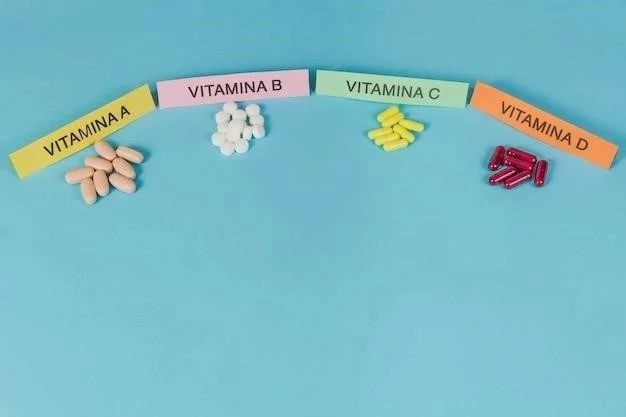
Vitamin A is an essential fat-soluble nutrient vital for numerous bodily functions‚ including vision‚ immune function‚ cell growth‚ and skin health. It is primarily stored in the liver‚ contributing to its potential for toxicity when consumed excessively. While a balanced diet rich in both animal and plant sources is the optimal way to obtain this vitamin‚ supplements are sometimes sought to address diagnosed deficiencies or support specific health conditions. Understanding its forms‚ benefits‚ and risks is paramount for safe effective use.
Forms of Vitamin A in Supplements
Vitamin A exists in various forms‚ primarily categorized into preformed vitamin A (retinoids) and provitamin A carotenoids.
- Preformed Vitamin A (Retinoids): Found in animal products‚ this form is immediately usable by the body; Common supplemental forms include retinyl palmitate and retinyl acetate.
- Provitamin A Carotenoids: These are plant-based precursors that the body converts into vitamin A. Beta-carotene is the most well-known and potent provitamin A carotenoid. Unlike preformed vitamin A‚ beta-carotene is generally considered safer in high doses because the body regulates its conversion to vitamin A.
Key Health Benefits of Vitamin A Supplementation
When dietary intake is insufficient‚ vitamin A supplements can help ensure adequate levels‚ supporting a wide array of physiological processes:
- Vision Health: Vitamin A is a critical component of rhodopsin‚ a protein in the eyes that absorbs light and is essential for both low-light (night) vision and color vision. Supplements can prevent and treat night blindness and other vision impairments associated with deficiency.
- Immune System Support: It plays a vital role in the development and function of white blood cells‚ including lymphocytes‚ which are crucial for fighting off infections. Adequate vitamin A helps maintain the integrity of mucosal barriers (e.g.‚ in the gut‚ respiratory tract‚ and urinary tract)‚ which serve as the body’s first line of defense against pathogens.
- Skin Health and Cell Growth: Vitamin A is essential for healthy skin and mucous membranes. It promotes cell differentiation and growth‚ contributing to skin repair and regeneration. Derivatives like retinoids are widely used in dermatology for conditions like acne and psoriasis.
- Reproductive Health and Fetal Development: It is crucial for both male and female reproductive health‚ including sperm production and egg quality. During pregnancy‚ vitamin A is vital for the proper development of the fetus’s organs‚ including the heart‚ lungs‚ kidneys‚ eyes‚ and bones.
- Antioxidant Properties (Beta-Carotene): Provitamin A carotenoids like beta-carotene are powerful antioxidants that protect cells from damage caused by free radicals‚ potentially reducing the risk of chronic diseases.
Who Might Need Vitamin A Supplements?
While most people can obtain sufficient vitamin A from their diet‚ certain individuals or groups may benefit from supplementation:
- Individuals with Deficiency: Globally‚ vitamin A deficiency (VAD) is a significant public health problem‚ particularly in developing countries‚ leading to preventable blindness and increased susceptibility to infections. Symptoms include night blindness‚ dry eyes‚ and impaired immunity.
- People with Malabsorption Issues: Conditions affecting fat absorption‚ such as cystic fibrosis‚ celiac disease‚ Crohn’s disease‚ chronic pancreatitis‚ liver cirrhosis‚ and bile duct obstructions‚ can significantly impair vitamin A uptake‚ making supplementation crucial.
- Individuals Undergoing Bariatric Surgery: These surgeries can alter nutrient absorption‚ leading to deficiencies.
- Pregnant and Lactating Women (under medical supervision): While essential‚ dosage must be carefully managed due to teratogenic risks of excessive preformed vitamin A.
- Children in Areas with High VAD Prevalence: Supplementation programs are often implemented to prevent childhood blindness and mortality.
- Individuals with Specific Eye Conditions: For example‚ some forms of retinitis pigmentosa may benefit‚ but this should always be under ophthalmological guidance.
Recommended Dosage and Units of Measurement
The recommended daily allowance (RDA) for vitamin A varies by age‚ sex‚ and life stage. Vitamin A can be measured in International Units (IU) or Retinol Activity Equivalents (RAE).
- Retinol Activity Equivalents (RAE): This is the preferred unit‚ as it accounts for the different bioactivities of preformed vitamin A and provitamin A carotenoids.
- 1 mcg RAE = 1 mcg retinol
- 1 mcg RAE = 2 mcg supplemental beta-carotene
- 1 mcg RAE = 12 mcg dietary beta-carotene
- 1 mcg RAE = 24 mcg other dietary provitamin A carotenoids
- International Units (IU): Still commonly used on supplement labels.
- 1 IU retinol = 0.3 mcg RAE
- 1 IU supplemental beta-carotene = 0.15 mcg RAE
- 1 IU dietary beta-carotene = 0.05 mcg RAE
General RDAs (in RAE):
- Adult Men: 900 mcg RAE (3000 IU)
- Adult Women: 700 mcg RAE (2333 IU)
- Pregnant Women: 770 mcg RAE (2567 IU)
- Lactating Women: 1300 mcg RAE (4333 IU)
It is crucial not to exceed the tolerable upper intake level (UL) for preformed vitamin A‚ which is 3‚000 mcg RAE (10‚000 IU) per day for adults‚ as chronic high intake can lead to toxicity.
Potential Risks and Side Effects of Excess Vitamin A
Unlike provitamin A carotenoids‚ which are generally safe even at high doses (though they can cause harmless skin yellowing‚ carotenemia)‚ preformed vitamin A can be toxic when consumed in excessive amounts.
Acute Toxicity (Single Large Dose):
- Symptoms: Nausea‚ vomiting‚ headache‚ dizziness‚ blurred vision‚ muscle incoordination.
- Can occur from ingesting tens of thousands of IUs in a single dose.
Chronic Toxicity (Hypervitaminosis A):
Results from consistently exceeding the UL for prolonged periods.
- Symptoms: Dry‚ rough skin‚ hair loss‚ cracked lips‚ fatigue‚ irritability‚ severe bone and joint pain‚ an enlarged liver and spleen‚ headaches‚ and increased intracranial pressure (pseudotumor cerebri).
- Bone Health: Chronic high intake of preformed vitamin A has been linked to decreased bone mineral density and an increased risk of fractures‚ especially in older adults.
- Teratogenicity: Excessive intake of preformed vitamin A during pregnancy is highly teratogenic‚ meaning it can cause severe birth defects (e.g.‚ malformations of the heart‚ brain‚ and face). Pregnant women‚ or those who might become pregnant‚ should be extremely cautious and avoid exceeding the UL.
- Interference with Vitamin K: Very high doses of vitamin A can interfere with vitamin K absorption‚ potentially impacting blood clotting.
It is generally safe to consume high amounts of beta-carotene from food or supplements‚ as the body regulates its conversion to vitamin A. However‚ very high doses of beta-carotene supplements have been associated with an increased risk of lung cancer in smokers and asbestos workers.
Dietary Sources of Vitamin A
Prioritizing dietary sources is always recommended before considering supplements. Remember that vitamin A is fat-soluble‚ so consuming these foods with a source of healthy fats can enhance absorption.
- Preformed Vitamin A: Liver (beef‚ chicken)‚ fish oils‚ dairy products (milk‚ cheese‚ butter)‚ eggs‚ fortified cereals.
- Provitamin A Carotenoids: Brightly colored fruits and vegetables such as carrots‚ sweet potatoes‚ spinach‚ kale‚ cantaloupe‚ mangoes‚ apricots‚ and bell peppers.
Interactions with Medications and Other Nutrients
- Oral Contraceptives: Can increase plasma vitamin A levels.
- Anticoagulants (e.g.‚ Warfarin): High doses of vitamin A‚ particularly preformed vitamin A‚ might interfere with vitamin K and potentiate the effects of blood thinners.
- Retinoid Medications (e.g.‚ Isotretinoin for acne): Concurrent use with vitamin A supplements can significantly increase the risk of toxicity.
- Cholestyramine and Orlistat: These drugs can reduce fat absorption‚ thereby impairing vitamin A absorption.
- Zinc: Zinc is required for the synthesis of the protein that transports vitamin A in the blood and for its conversion into its active form. Zinc deficiency can mimic vitamin A deficiency.
- Iron: Vitamin A plays a role in iron metabolism;
Choosing a Vitamin A Supplement
If supplementation is deemed necessary‚ consider the following:
- Consult a Healthcare Professional: Always seek medical advice before starting any supplement‚ especially vitamin A‚ to determine if it’s appropriate for your needs and to establish a safe dosage.
- Form of Vitamin A: For general supplementation‚ especially if you’re unsure about your intake‚ a supplement containing beta-carotene or a blend of beta-carotene and a small amount of preformed vitamin A is often preferred due to the lower risk of toxicity.
- Dosage: Adhere strictly to recommended doses and avoid exceeding the UL for preformed vitamin A.
- Quality and Purity: Choose reputable brands that undergo third-party testing for purity and potency. Look for certifications.
- Combination Supplements: Many multivitamins contain vitamin A. Be mindful of the total intake from all sources to avoid exceeding safe levels.
Vitamin A supplements can be highly beneficial for individuals with diagnosed deficiencies or specific medical conditions‚ playing a crucial role in maintaining vision‚ immune function‚ and overall cellular health. However‚ the potential for toxicity‚ particularly with preformed vitamin A‚ necessitates a cautious approach. Always prioritize obtaining vitamin A from a varied‚ nutrient-rich diet‚ and consult with a healthcare professional before initiating supplementation to ensure it is safe‚ appropriate‚ and tailored to your individual health requirements. Self-prescribing high doses of vitamin A can lead to serious adverse effects.