
4-Letter Supplements Essential for Health and Performance
May 30, 2026
The Complete Guide to Jude Supplements
May 31, 2026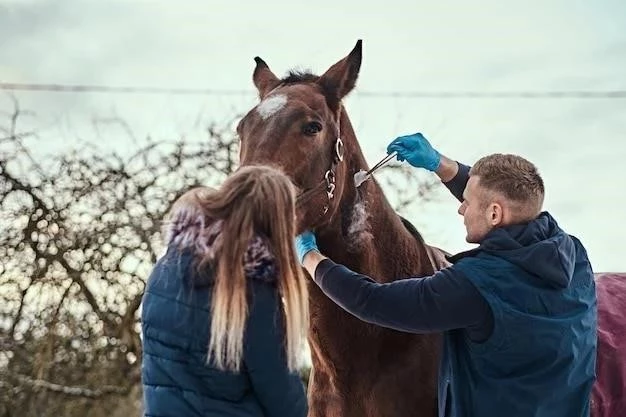
The world of equine health and nutrition is intricate. While a balanced diet forms the fundamental cornerstone of a horse’s well-being, targeted supplementation can play a crucial role in enhancing health, optimizing performance, and addressing specific physiological needs. Equine supplements are formulated products providing additional nutrients for deficiencies or to support bodily functions under stress or during specific life stages. Understanding their effective use is paramount for any responsible horse owner.
Understanding the Basics
What are equine supplements?
Equine supplements are dietary products intended to provide nutrients absent or insufficient in a horse’s normal feed, or specific ingredients supporting health beyond basic needs. These range from vitamins, minerals, amino acids, herbal extracts, and complex blends. Available in various forms (powders, pellets, pastes, liquids), they are typically added to a horse’s daily feed ration for intake.
When are they needed?
Supplements are considered when a horse’s diet alone cannot adequately meet nutritional demands, often due to these factors:
- Dietary Deficiencies: Unbalanced feeds, poor hay, or forage-only diets can create nutrient gaps. Soil mineral deficiencies can also impact forage nutrient content.
- Increased Demands: Performance horses, breeding stock, growing youngsters, and seniors have elevated nutritional needs a standard diet may not supply.
- Specific Health Conditions: Joint issues, digestive upset, poor hoof quality, skin problems, or anxiety can benefit from targeted supplements.
- Stress or Recovery: Horses under heavy training, travel, illness, or surgery may benefit from immune-boosting or recovery support.
Common Categories of Equine Supplements
Joint Supplements
Popular supplements for horses in work, older horses, or those with lameness. They aim to support cartilage health, reduce inflammation, and improve joint lubrication.
- Glucosamine: A building block for cartilage; aids connective tissue repair, reducing stiffness and improving motion.
- Chondroitin Sulfate: Works synergistically with glucosamine, improves cartilage elasticity, inhibits enzymes that break down cartilage.
- MSM (Methylsulfonylmethane): Natural sulfur compound with anti-inflammatory properties, vital for connective tissue.
- Hyaluronic Acid (HA): Key component of synovial fluid. Oral HA improves joint fluid viscosity.
Digestive Supplements
Vital for gut health, nutrient absorption, and immune function. Used during stress, antibiotic use, or digestive upset to improve appetite, reduce colic risk, and enhance nutrient utilization.
- Probiotics: Live microorganisms (bacteria/yeasts) maintain gut microbial balance.
- Prebiotics: Non-digestible fibers feeding beneficial gut bacteria, promoting growth.
- Yeast (e.g., Saccharomyces cerevisiae): Stabilizes hindgut pH, improves fiber digestion.
- Digestive Enzymes: Aid nutrient breakdown and absorption.
Hoof Supplements
Address poor hoof quality and lameness. They provide nutrients for strong, healthy growth, improved rate, strength, and resistance to cracks.
- Biotin (Vitamin B7): Essential for keratin production, a primary hoof component.
- Methionine: Sulfur-containing amino acid, crucial for keratin formation.
- Zinc: Important for cell division, protein synthesis, and hoof integrity.
- Copper: Works with zinc, vital for strong connective tissue.
Skin & Coat Supplements
For a gleaming coat and healthy skin, these focus on fatty acids and specific vitamins. They promote shine, reduce skin dryness, help manage allergies, and support overall skin health.
- Omega Fatty Acids (Omega-3/Omega-6): Anti-inflammatory, crucial for skin barrier, reducing dryness/itchiness.
- Biotin: Also contributes to healthy skin and hair.
Calming Supplements
Designed to help horses manage stress, anxiety, or excitability from training, travel, or competition. They aim to reduce nervousness, improve focus, and promote relaxation without sedation.
- Magnesium: Role in nerve/muscle function; deficiency can cause nervousness.
- Tryptophan: Amino acid precursor to serotonin, regulating mood.
- Thiamine (Vitamin B1): Important for nerve function.
- Herbal blends (e.g., Valerian, Chamomile, L-Theanine): Natural calming effects; some prohibited in competition.
Muscle & Performance Supplements
Aimed at supporting muscle development, recovery, and endurance in working horses. They aid growth, post-exercise recovery, and protect against oxidative stress.
- Amino Acids (e.g., Lysine, Threonine): Essential building blocks for muscle protein.
- Vitamin E & Selenium: Powerful antioxidants protecting muscle cells from exercise damage, supporting immune function.
- Branch Chain Amino Acids (BCAAs): Leucine, Isoleucine, Valine – important for muscle repair and energy.
Vitamin & Mineral Balancers
These provide a broad spectrum of vitamins and trace minerals for horses with deficient diets (e.g., forage-only diets or minimal concentrate). They prevent imbalances without excess of single nutrients, ensuring comprehensive nutritional coverage and overall health support.
Key Considerations Before Supplementing
Consult Your Veterinarian/Equine Nutritionist
This is the most crucial step. A qualified professional can identify true needs, diagnose issues, and recommend appropriate products/dosages. They advise on interactions with medications or other supplements.
Diet Analysis and Quality
Before introducing any supplement, evaluate your horse’s current diet. Assess the type of forage, concentrate, and any existing supplements. Hay analysis reveals specific mineral status. Avoid “shotgun” supplementing, which can cause imbalances or toxicities. The supplement industry lacks strict regulation. Choose reputable brands with scientific research, good manufacturing practices, and third-party certifications (e.g., NASC Quality Seal, UFAS/NOPS). This ensures product purity, potency, and safety.
Dosage, Administration, and Interactions
Always follow manufacturer’s dosage; over-supplementing certain nutrients (e.g., selenium, fat-soluble vitamins) can be toxic. Be aware of potential negative interactions with medications or other supplements (e.g., high calcium interfering with zinc absorption). Monitor for changes in health or behavior; allergic reactions, though rare, can occur.
Cost-Benefit Analysis and Drug Testing
Supplements can be costly. Weigh potential benefits against expense. Sometimes, improving the base diet yields better, cheaper results. For competitive horses, it is imperative to be aware of prohibited substances. Many calming or herbal supplements contain ingredients banned by equestrian federations (e.g., Valerian, Devil’s Claw). Always check with your sport’s governing body and select “competition safe” or “NOPS tested” products;
The Role of a Balanced Diet
It is essential to remember that supplements supplement an existing diet; they do not replace it. The foundation of equine health is a high-quality, balanced diet: ample forage (hay/pasture), fresh water, and appropriate concentrate based on activity/physiological status. Supplements are targeted tools to fine-tune the diet or address specific challenges, not shortcuts around good basic nutrition.
Navigating the vast array of equine supplements demands knowledge, discernment, and professional guidance. While these products can be invaluable tools for enhancing health, optimizing performance, and managing conditions, their judicious use is paramount. Prioritize a solid foundational diet, consult professionals, choose reputable products, and be mindful of dosages and interactions. By approaching supplementation thoughtfully, strategically, and with an informed perspective, horse owners can effectively support their equine partners’ well-being and help them thrive.