
Ubiquinol Supplements A Guide to Choosing the Right CoQ10 Form
July 17, 2026
Top Vitamins for Energy Boost in the Philippines
July 18, 2026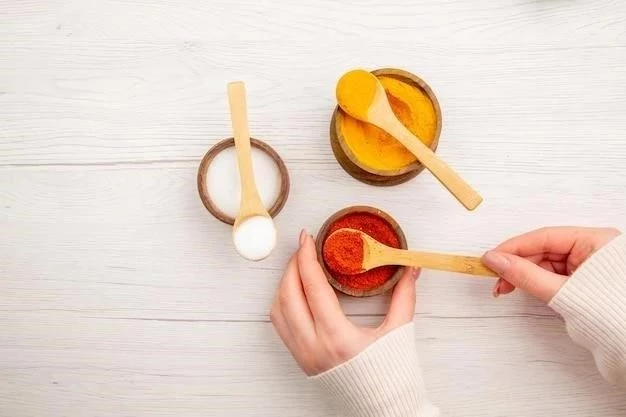
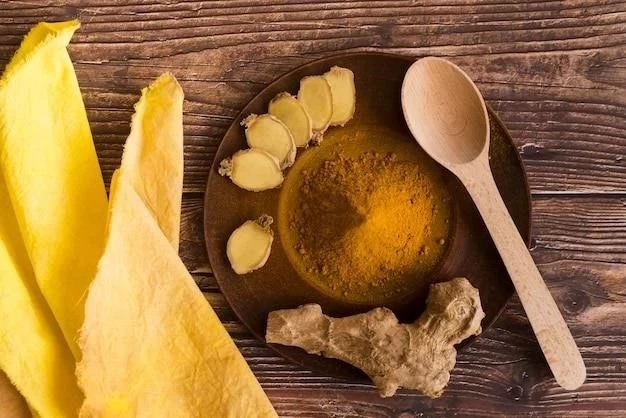
For centuries, turmeric, a vibrant golden spice, has been a cornerstone of Ayurvedic and traditional Chinese medicine. Its power lies in curcumin, the active compound responsible for its potent health benefits, particularly for the skin. This article delves into the remarkable ways turmeric and curcumin can transform your complexion.
What is Curcumin & Why is it Good for Skin?
Curcumin is a powerful antioxidant and anti-inflammatory agent. These properties are crucial for skin health. Daily exposure to pollutants, UV radiation, and stress generates free radicals, damaging skin cells and accelerating aging. Curcumin neutralizes these free radicals, protecting the skin. Inflammation contributes to various skin conditions; curcumin’s anti-inflammatory action helps soothe and calm irritated skin.
Key Benefits for Skin:
- Acne Treatment: Curcumin’s antibacterial and anti-inflammatory properties combat Propionibacterium acnes, the bacteria contributing to acne. It reduces redness, swelling, and prevents breakouts.
- Eczema & Psoriasis Relief: Its anti-inflammatory effects can significantly alleviate symptoms of eczema and psoriasis, reducing itching, scaling, and inflammation.
- Wound Healing: Curcumin promotes collagen production and speeds up wound healing. It also possesses antiseptic qualities, preventing infection.
- Anti-Aging Powerhouse: By fighting free radicals and boosting collagen, curcumin diminishes wrinkles, fine lines, and age spots, promoting a youthful glow.
- Brightening & Even Skin Tone: Curcumin inhibits melanin production, helping to fade hyperpigmentation, dark spots, and uneven skin tone, resulting in a brighter complexion.
- Protection from Sun Damage: While not a substitute for sunscreen, curcumin offers some protection against UV-induced skin damage due to its antioxidant properties.
How to Use Turmeric/Curcumin for Skin
There are several ways to incorporate turmeric and curcumin into your skincare routine:
- DIY Face Masks: Combine turmeric powder with ingredients like honey, yogurt, or lemon juice for a brightening and soothing mask. (Caution: Turmeric can stain, so use sparingly and test on a small area first.)
- Topical Creams & Serums: Look for skincare products formulated with curcumin. These often contain enhanced bioavailability for better absorption.
- Supplements: Curcumin supplements can provide systemic benefits, improving overall skin health from within. (Consult a doctor before starting any new supplement regimen.)
- Turmeric-Infused Oils: Carrier oils infused with turmeric offer a gentle way to deliver curcumin to the skin.
Bioavailability Considerations
Curcumin has relatively poor bioavailability, meaning the body doesn’t easily absorb it. To enhance absorption:
- Combine with Black Pepper: Piperine, found in black pepper, significantly increases curcumin absorption.
- Use with Healthy Fats: Curcumin is fat-soluble, so consuming it with healthy fats (like coconut oil or avocado) improves absorption.
- Look for Liposomal Curcumin: Liposomal formulations encapsulate curcumin in tiny fat bubbles, enhancing its delivery to cells.
Important Considerations
Always perform a patch test before applying turmeric or curcumin to your entire face. Some individuals may experience allergic reactions. If irritation occurs, discontinue use. Consult a dermatologist for personalized advice, especially if you have pre-existing skin conditions.