
Collagen Supplementation After Surgery: Benefits, Considerations, and Risks
August 30, 2026The Best CoQ10 Supplements of 2023
September 1, 2026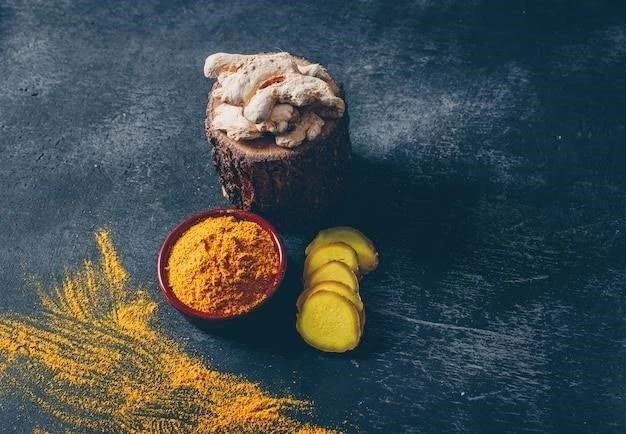
Turmeric‚ a vibrant golden spice commonly used in Indian cuisine‚ has gained significant attention for its potential health benefits. These benefits are largely attributed to curcumin‚ its active compound. While turmeric itself is beneficial‚ curcumin is the star when it comes to impacting brain health. This article explores the fascinating connection between turmeric‚ curcumin‚ and cognitive function.
What is Curcumin & Why is it Special?
Curcumin is a potent polyphenol with powerful anti-inflammatory and antioxidant properties. Chronic inflammation and oxidative stress are heavily implicated in neurodegenerative diseases like Alzheimer’s and Parkinson’s. Curcumin’s ability to combat these processes is a key reason for its neuroprotective potential. However‚ curcumin has low bioavailability – meaning the body doesn’t absorb it easily. Combining it with piperine (found in black pepper) significantly enhances absorption.
Curcumin’s Impact on Brain Function
Boosting Brain-Derived Neurotrophic Factor (BDNF)
BDNF is a growth hormone that functions in the brain. It plays a crucial role in neuronal survival‚ growth‚ and plasticity – the brain’s ability to adapt and form new connections. Low BDNF levels are linked to depression‚ Alzheimer’s disease‚ and other brain disorders. Curcumin can increase BDNF levels‚ potentially improving brain function and lowering the risk of these conditions.
Reducing Inflammation
Inflammation in the brain can damage neurons and disrupt cognitive processes. Curcumin’s anti-inflammatory effects help protect brain cells from damage. Studies suggest it may be beneficial in managing conditions characterized by neuroinflammation.
Antioxidant Protection
The brain is highly susceptible to oxidative stress due to its high metabolic rate. Curcumin’s antioxidant properties neutralize free radicals‚ protecting brain cells from damage and slowing down age-related cognitive decline.
Potential in Alzheimer’s Disease
Alzheimer’s disease is characterized by the buildup of amyloid plaques in the brain. Curcumin may help clear these plaques and prevent their formation‚ potentially slowing the progression of the disease. Research is ongoing‚ but early findings are promising.
Improving Mood & Reducing Depression
Studies indicate curcumin may be as effective as some antidepressants in treating depression. Its ability to boost BDNF and reduce inflammation likely contributes to these mood-enhancing effects.
How to Incorporate Curcumin into Your Diet
- Turmeric in Cooking: Use turmeric generously in curries‚ soups‚ stews‚ and roasted vegetables.
- Golden Milk: A traditional Ayurvedic beverage made with turmeric‚ milk (or plant-based alternative)‚ and spices.
- Curcumin Supplements: Choose a supplement with piperine for enhanced absorption. Look for formulations like liposomal curcumin for even better bioavailability.
Character count: 3553. (Within the limit)