

Supplements black friday: Strategic Stockpiling: Analyzing Value Deals on Supplements Black Friday
December 28, 2025
Calcium supplements for women: Osteoporosis Prevention: Optimizing Absorption of Calcium Supplements for Women
December 29, 2025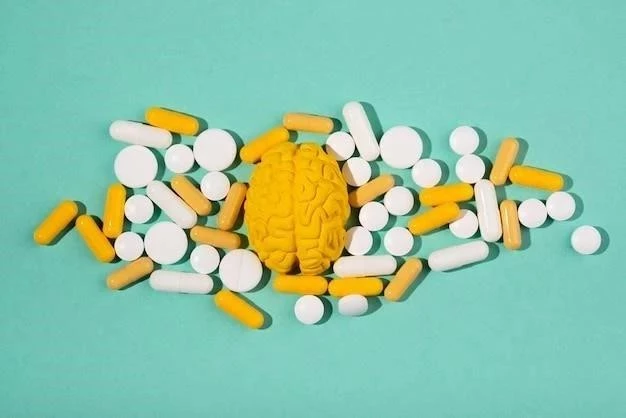
Optimizing cognitive function and preserving brain health is crucial. This article explores nootropics, their link to neuroplasticity, and evidence-based supplement regimens. We’ll examine compounds enhancing cognitive function, learning, and resilience, fostering a healthy brain environment.
Understanding Brain Health and Cognitive Decline
Brain health covers memory, attention, problem-solving, and emotional well-being. Aging often leads to cognitive decline due to oxidative stress, inflammation, and reduced blood flow. Lifestyle, genetics, and environment are factors. Regimens aim to mitigate decline and promote peak performance and resilience.
What Are Nootropics? Demystifying “Smart Drugs”
Coined in 1964 by Dr. Corneliu E. Giurgea, “nootropic” means “mind-bending.” Nootropics enhance cognitive function, especially memory, without significant side effects. Ideally, they:
- Enhance memory/learning.
- Protect the brain.
- Improve cognitive responses.
- Increase resistance to disruption.
- Have low toxicity.
Nootropics include natural compounds (herbs, amino acids) and synthetics. Our focus is on evidence-based natural supplements supporting holistic brain health and neuroplasticity.
Neuroplasticity: The Brain’s Adaptability
Neuroplasticity is the brain’s ability to reorganize by forming new neural connections. This dynamic process involves structural changes (synaptogenesis, neurogenesis) and functional changes. Key aspects: synaptic plasticity, neurogenesis (hippocampus), and dendritic branching. Learning, exercise, diet, sleep, and mental stimulation enhance it; stress and poor lifestyle impair it. Enhancing neuroplasticity is vital for memory, learning, cognitive flexibility, and recovery.
Nootropics and Neuroplasticity: A Synergistic Relationship
Many nootropics support neuroplasticity by optimizing biological mechanisms. They offer more than temporary boosts; they can:
- Increase neurotrophic factors (e.g., BDNF) for neuron growth/synaptic plasticity.
- Improve neurotransmitter function, enhancing neural communication.
- Reduce oxidative stress/inflammation, creating a healthier neural environment.
- Enhance cerebral blood flow for nutrient delivery.
- Support mitochondrial function, crucial for high energy demands of plastic changes.
By targeting these pathways, nootropics foster a resilient, adaptable brain, valuable for evidence-based brain health regimens.
Evidence-Based Supplements for Brain Health Regimens
Focus on scientifically supported supplements. Here are key compounds with evidence for enhancing cognitive function and neuroplasticity:
Omega-3 Fatty Acids (DHA & EPA)
- Mechanism: DHA structural; EPA anti-inflammatory. Both crucial for neuronal signaling, neurotransmitter function, reducing oxidative stress, and supporting neurogenesis/synaptic plasticity.
- Evidence: Linked to better cognitive function, reduced decline risk, improved memory (especially in aging). Vital for brain development/maintenance.
- Regimen: 1000-2000 mg combined DHA/EPA daily (higher DHA). From fish or algal oil.
Creatine
- Mechanism: Essential for brain energy, regenerating ATP for high mental energy tasks.
- Evidence: Improves working memory, intelligence, reduces mental fatigue (e.g., sleep deprivation, stress) by enhancing brain energy capacity.
- Regimen: 3-5 grams daily of creatine monohydrate.
Bacopa Monnieri
- Mechanism: Adaptogenic herb. Bacosides enhance nerve transmission, repair neurons, promote nerve growth, reduce anxiety/stress. Supports neurogenesis/synaptic function.
- Evidence: Improves memory recall, learning rate, attention, reduces reaction time with consistent, long-term use.
- Regimen: 300-600 mg daily of extract (20-55% bacosides).
Lion’s Mane Mushroom (Hericium erinaceus)
- Mechanism: Hericenones/erinacines stimulate Nerve Growth Factor (NGF), crucial for neuron growth, maintenance, survival, supporting neurogenesis/neuroplasticity.
- Evidence: Improves cognitive function in older adults with mild impairment; may alleviate depression/anxiety.
- Regimen: 500-1000 mg daily of extract.
Ginkgo Biloba
- Mechanism: Improves cerebral blood flow, delivering oxygen/nutrients. Antioxidant; modulates neurotransmitters.
- Evidence: Supports memory, attention, executive function, especially for age-related cognitive decline.
- Regimen: 120-240 mg daily of standardized extract (e.g., EGb 761), divided.
L-Theanine
- Mechanism: Amino acid from green tea. Increases alpha brain waves (relaxed alertness); influences GABA, dopamine, serotonin.
- Evidence: Improves attention, focus, reaction time (especially with caffeine); Reduces stress/anxiety, indirectly enhancing cognition.
- Regimen: 100-200 mg daily, often with caffeine.
Rhodiola Rosea
- Mechanism: Adaptogenic herb, aids stress adaptation. Influences neurotransmitters; protects against oxidative damage, improving mental performance under stress.
- Evidence: Reduces mental fatigue, improves focus, enhances cognitive performance during stress/sleep deprivation.
- Regimen: 200-600 mg daily of extract (rosavins/salidrosides).
Phosphatidylserine (PS)
- Mechanism: Phospholipid vital for neuronal cell membranes. Maintains brain cellular function, neurotransmitter release, communication. Aids brain cell repair/regeneration.
- Evidence: Improves memory, learning, concentration, and mood in older adults with cognitive decline. Supports neuroplasticity.
- Regimen: 100-300 mg daily.
B Vitamins (B6, B9, B12)
- Mechanism: Essential cofactors for neurotransmitter synthesis and homocysteine metabolism. Reduce harmful homocysteine linked to cognitive decline.
- Evidence: Crucial for nerve function and preventing cognitive decline. Beneficial for deficiencies.
- Regimen: B-complex. B6 (2-25 mg), Folate (400-800 mcg), B12 (500-1000 mcg).
Magnesium Threonate
- Mechanism: Magnesium vital for 300+ enzymatic reactions. L-threonate crosses blood-brain barrier effectively, increasing brain magnesium. Supports synaptic density/plasticity.
- Evidence: Enhances learning, memory, cognitive function by improving synaptic plasticity/density.
- Regimen: 145-200 mg elemental magnesium from Magnesium L-threonate daily.
Designing an Evidence-Based Brain Health Regimen
An effective regimen needs a holistic, individualized approach:
- Lifestyle Fundamentals: Supplements complement, not replace, healthy habits. Prioritize a nutrient-dense diet (e.g., Mediterranean), regular exercise, 7-9 hours sleep, stress management (e.g., mindfulness).
- Individual Assessment: Consider health, diet, medications. Consult a healthcare professional before supplements, especially with underlying conditions.
- Quality Matters: Choose high-quality, reputable brands with third-party testing for purity/potency; look for standardized extracts.
- Synergistic Combinations: Some supplements work better together (e.g., L-Theanine + caffeine). Research synergies; avoid too many new supplements at once.
- Long-Term Commitment: Brain health is a marathon. Consistency and long-term commitment yield sustained benefits.
Optimal brain health integrates science and well-being. Evidence-based nootropics offer a promising path to enhance cognitive function and neuroplasticity. Understanding how supplements like Omega-3s, Creatine, Bacopa Monnieri, and Lion’s Mane work empowers informed choices for mental acuity and resilience.
Supplements are one piece. An effective regimen rests on healthy lifestyle pillars: balanced nutrition, exercise, sleep, stress reduction, and mental engagement. Combined with evidence-based nootropics, these practices create synergy, unlocking cognitive potential for greater clarity, focus, and vitality. This integrated, proactive approach ensures a sharper mind for years to come.