
Creatine: The Number One Supplement for Brain Health
August 6, 2026
Juvenon Review: Does This Cellular Health Supplement Live Up to the Hype?
August 7, 2026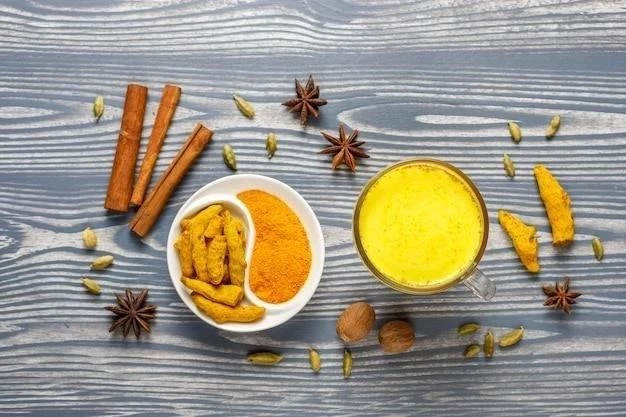
Turmeric, a vibrant golden spice commonly used in Indian cuisine, has gained immense popularity worldwide due to its potential health benefits. These benefits are largely attributed to curcumin, its active compound. But is turmeric curcumin really good for you? This article explores the science behind this ancient remedy, its benefits, drawbacks, and how to maximize its absorption.
What is Curcumin?
Curcumin is a polyphenol with powerful anti-inflammatory and antioxidant properties. It’s not just one compound, but a family of related compounds. While turmeric contains curcuminoids (of which curcumin is the most prominent), curcumin typically makes up only about 3% of turmeric. This low concentration is a key reason why simply adding turmeric to your food might not deliver significant health benefits.
Key Benefits of Curcumin (Backed by Science)
- Anti-Inflammatory Effects: Chronic inflammation is linked to many diseases. Curcumin blocks NF-kB, a molecule that travels into the nuclei of your cells and turns on genes related to inflammation.
- Antioxidant Power: Curcumin neutralizes free radicals, protecting cells from damage. It also boosts the activity of the body’s own antioxidant enzymes.
- Brain Health: Curcumin may increase levels of Brain-Derived Neurotrophic Factor (BDNF), a growth hormone in the brain. Low BDNF levels are linked to brain disorders like depression and Alzheimer’s.
- Heart Health: Curcumin may improve endothelial function (the lining of blood vessels), which is crucial for heart health.
- Potential Cancer Prevention: Studies suggest curcumin may interfere with cancer development, growth, and spread, though more research is needed.
- Arthritis Relief: Due to its anti-inflammatory properties, curcumin can help reduce pain and improve function in people with osteoarthritis.
The Bioavailability Problem
Here’s the catch: curcumin has poor bioavailability. This means the body doesn’t absorb it well. It’s rapidly metabolized and eliminated. To overcome this, several strategies are employed:
- Pairing with Black Pepper: Piperine, a compound in black pepper, significantly enhances curcumin absorption (by up to 2000%).
- Consuming with Fats: Curcumin is fat-soluble, meaning it’s better absorbed when consumed with fats.
- Using Enhanced Formulations: Liposomal curcumin, curcumin phytosome, and other formulations are designed to improve absorption.
Potential Side Effects & Precautions
Curcumin is generally considered safe, even at high doses. However, some people may experience:
- Mild digestive issues (nausea, diarrhea)
- Allergic reactions (rare)
Precautions:
- Pregnancy & Breastfeeding: Avoid high doses during pregnancy and breastfeeding.
- Gallbladder Problems: Curcumin may worsen gallbladder issues.
- Blood Thinners: Curcumin can have blood-thinning effects, so use caution if you’re on blood thinners.
- Iron Deficiency: Curcumin can interfere with iron absorption.
How to Incorporate Turmeric/Curcumin
Here are some ways to get more curcumin into your diet:
- Golden Milk: A traditional Ayurvedic drink made with turmeric, milk (or plant-based alternative), black pepper, and other spices.
- Curry Dishes: Use turmeric generously in curries and other Indian dishes.
- Smoothies: Add a teaspoon of turmeric powder (with black pepper) to your smoothies.
- Supplements: Consider a curcumin supplement, especially one with enhanced bioavailability.
Turmeric curcumin offers a wealth of potential health benefits, primarily due to its potent anti-inflammatory and antioxidant properties. However, maximizing these benefits requires addressing the bioavailability issue. By pairing it with black pepper, consuming it with fats, or choosing an enhanced formulation, you can unlock the full potential of this remarkable spice. Always consult with your healthcare provider before starting any new supplement regimen.