

Key Supplements for Women Over 50
April 26, 2026
The Parent’s Guide to Children’s Dietary Supplements
April 27, 2026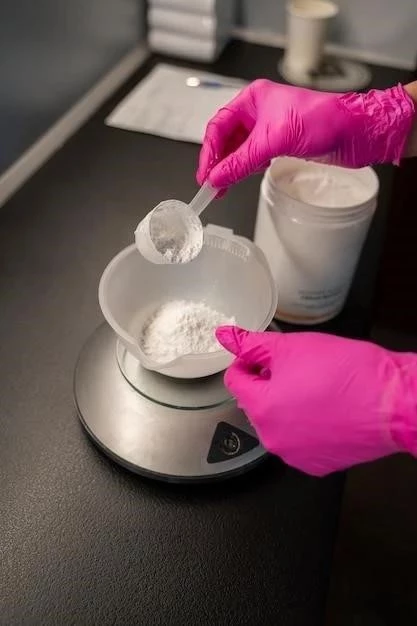
Creatine stands as one of the most extensively researched and scientifically validated supplements in sports nutrition. Its profound impact on athletic performance, muscle growth, and even cognitive function has solidified its reputation among athletes and fitness enthusiasts. Despite its popularity, creatine is often misunderstood. This comprehensive article aims to provide an evidence-based exploration, delving into its biology, mechanisms, benefits, forms, dosages, safety, and who benefits most. By demystifying this compound, we empower individuals to make informed decisions about incorporating creatine into their health and fitness regimen.
What is Creatine and How it Functions Naturally?
Creatine is a nitrogenous organic acid found naturally in vertebrates, synthesized primarily in the liver, kidneys, and pancreas from amino acids (L-arginine, glycine, and L-methionine). Approximately 95% of the body’s creatine stores reside in skeletal muscle, with smaller amounts in the brain and heart. Its paramount role is to facilitate the recycling of adenosine triphosphate (ATP), the cell’s direct energy currency. During high-intensity, short-duration activity, ATP rapidly hydrolyzes to adenosine diphosphate (ADP), releasing energy. Creatine, as phosphocreatine (PCr), rapidly donates a phosphate group to ADP, regenerating ATP and ensuring a continuous energy supply for muscle contraction.
The Mechanism of Creatine Supplementation
Supplementing with exogenous creatine elevates intramuscular phosphocreatine (PCr) concentrations above baseline. This directly enhances the phosphagen energy system, crucial for immediate, explosive movements. Increased PCr allows muscles to rapidly resynthesize ATP during high-intensity, short-duration activities like weightlifting or sprinting. This extends work capacity, delays fatigue, and enables more repetitions or sprints per session. Furthermore, creatine draws water into muscle cells (cell volumization), an anabolic signal promoting muscle protein synthesis and inhibiting protein breakdown, thus contributing to muscle growth and repair. This osmotic effect also influences cellular signaling for adaptation and hypertrophy.
Comprehensive Benefits of Creatine Supplementation
Scientific literature consistently highlights several significant benefits:
- Enhanced Muscle Strength and Power: Creatine significantly increases maximal strength and power output. By bolstering the ATP-PCr system, users experience improvements in explosive force activities like 1RM lifts, vertical jumps, and sprint performance, crucial for demanding sports.
- Improved High-Intensity Exercise Performance: Creatine enables athletes to sustain high-intensity efforts longer. This translates to better performance in repetitive sprints, interval training, and completing more repetitions, increasing overall training volume and quality.
- Accelerated Muscle Growth (Hypertrophy): Creatine indirectly but powerfully promotes muscle hypertrophy. Cell volumization creates an anabolic environment. Greater training intensity and volume, facilitated by creatine, provide a stronger stimulus for growth. It may also influence satellite cell activity and gene expression for muscle protein synthesis.
- Faster Post-Exercise Recovery: Creatine reduces muscle cell damage and inflammation markers after strenuous exercise, leading to quicker recovery between workouts. It also aids in glycogen resynthesis, especially when consumed with carbohydrates, vital for energy restoration.
- Potential Cognitive and Neurological Benefits: Emerging research suggests creatine may offer neuroprotective effects and improve cognitive function, particularly during sleep deprivation, mental fatigue, or aging. It enhances brain energy metabolism, a benefit especially pronounced in vegetarians/vegans with lower baseline creatine levels.
Exploring the Different Forms of Creatine
While many creatine formulations exist, distinguishing science from marketing hype is crucial.
- Creatine Monohydrate: The most researched, effective, and cost-efficient form. Hundreds of studies confirm its efficacy, safety, and bioavailability. Micronized creatine monohydrate offers improved solubility and reduced gastrointestinal discomfort. It is the recommended choice for most.
- Creatine Hydrochloride (HCl): Marketed for superior solubility and absorption. However, robust scientific evidence demonstrating superior efficacy or absorption over monohydrate in human performance studies is limited and inconsistent.
- Creatine Ethyl Ester (CEE): Shown to be less effective than monohydrate, as it appears to rapidly degrade into inactive creatinine in the digestive tract.
- Buffered Creatine (e.g., Kre-Alkalyn): Claims to prevent conversion to creatinine in the stomach. Independent studies have not consistently supported superior efficacy or reduced side effects compared to monohydrate.
Given the overwhelming scientific consensus and safety data, creatine monohydrate remains the undisputed gold standard.
Recommended Dosage and Administration Protocols
Effective creatine supplementation typically follows one of two common protocols:
- Loading Phase Protocol: Rapidly saturates muscle creatine stores. Consume approximately 20 grams per day, divided into 4 doses of 5 grams each, for 5 to 7 days. This quickly provides benefits. Follow with a maintenance dose.
- Maintenance Phase Protocol (without loading): A consistent daily intake of 3-5 grams will gradually lead to full muscle saturation over 3-4 weeks. This method is equally effective long-term.
Timing (pre/post-workout) does not significantly influence long-term effectiveness, as the goal is consistent elevated muscle creatine levels. However, some evidence suggests post-exercise consumption with carbohydrates and protein may optimize muscle uptake via insulin-mediated transport.
Safety Profile and Addressing Common Side Effects
Creatine monohydrate is extensively investigated, with long-term safety data supporting its use in healthy individuals at recommended dosages. Many concerns are unfounded myths:
- Intracellular Water Retention: Creatine draws water into muscle cells, leading to a slight initial body weight increase (1-3 kg). This is cell volumization, not subcutaneous bloating, and contributes to its anabolic mechanisms.
- Gastrointestinal Discomfort: Rarely, mild stomach upset, diarrhea, or nausea may occur with very large single doses (>10g) during loading. Dividing doses or using micronized creatine can mitigate this.
- Kidney or Liver Damage Concerns: Numerous long-term studies consistently show creatine supplementation does not cause kidney or liver damage in healthy individuals. Elevated creatinine levels, a byproduct, are not indicative of kidney dysfunction in healthy users. Those with pre-existing kidney/liver disease must consult a healthcare professional.
- Dehydration and Muscle Cramping: This myth is debunked. Studies show creatine does not cause dehydration or increase cramp risk; it may even improve thermoregulation. Adequate hydration is always essential.
Who Can Benefit Most from Creatine Supplementation?
Creatine’s broad benefits make it suitable for diverse populations:
- Athletes and Bodybuilders: Significant performance enhancements for those in strength, power, and high-intensity intermittent sports (e.g., weightlifting, sprinting, football). Highly beneficial for muscle hypertrophy.
- Older Adults: Combined with resistance training, creatine combats age-related muscle loss (sarcopenia) and improves functional strength, enhancing quality of life and reducing fall risk.
- Vegetarians and Vegans: As dietary creatine is mainly from animal products, plant-based individuals have lower baseline stores. They often experience more pronounced benefits, elevating stores to omnivore levels.
- Individuals Seeking Cognitive Enhancement: May benefit from creatine, especially those experiencing mental fatigue or with lower dietary intake, due to enhanced brain energy metabolism.
Creatine supplements, especially creatine monohydrate, are a cornerstone of evidence-based sports nutrition. Its unparalleled safety record and robust scientific research demonstrate efficacy in enhancing muscle strength, power output, lean mass, and high-intensity exercise performance. It is one of the most effective ergogenic aids available. From professional athletes to older adults, creatine offers a scientifically validated path to achieving diverse health and fitness goals. Always prioritize high-quality creatine monohydrate from reputable manufacturers and consult a healthcare professional if you have pre-existing medical conditions. Responsible creatine use can unlock significant improvements in physical capabilities and overall well-being.