
Top Supplements for Managing Inflammation
April 3, 2026
Folic Acid An Essential Nutrient for Overall Health
April 4, 2026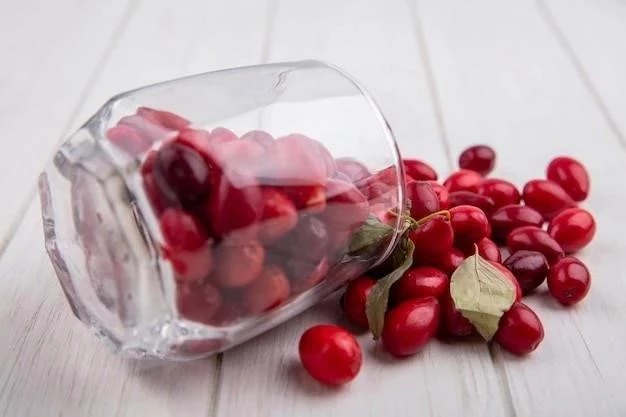
Cranberry supplements, derived primarily from the fruit of the North American cranberry bush (Vaccinium macrocarpon), represent a concentrated form of a fruit long revered for its health-promoting properties․ Historically, indigenous peoples of North America utilized cranberries not only as a food source but also for their perceived medicinal qualities, including wound care and bladder issues․ In contemporary health and wellness, the popularity of cranberry supplements has soared, driven by extensive research into their bioactive compounds․ These readily available forms—ranging from capsules and tablets to liquid extracts—offer a convenient way to harness the fruit’s potent nutrient profile, particularly its renowned capacity to support urinary tract health and provide robust antioxidant defense․ This article will explore the scientific underpinnings, myriad benefits, various forms, crucial dosage considerations, potential side effects, and essential tips for selecting the most effective cranberry supplement․
The Scientific Foundation: Key Active Compounds in Cranberries
The therapeutic efficacy of cranberries is intrinsically linked to their rich and complex phytochemical composition․ While the fruit boasts an array of vitamins, minerals, and fiber, its most celebrated health benefits stem from unique groups of bioactive compounds:
- A-Type Proanthocyanidins (PACs): These powerful polyphenolic compounds are the undisputed superstars of cranberry science, especially concerning urinary tract health․ Unlike the more common B-type PACs found in many other plants (e․g․, apples, grapes, cocoa), A-type PACs possess a distinct double bond linkage in their molecular structure․ This unique configuration is critical for their primary mechanism of action: inhibiting the adhesion of specific bacteria, predominantly Escherichia coli (UPEC), to the epithelial cells lining the urinary tract․ By preventing bacterial attachment, A-type PACs effectively reduce the colonization and subsequent infection cascade, allowing bacteria to be simply flushed out during urination․ Standardization for A-type PACs is therefore considered the gold standard for efficacious cranberry supplements․
- Other Flavonoids and Polyphenols: Beyond PACs, cranberries are a treasure trove of other potent antioxidants, including various flavonoids (such as quercetin, myricetin, and peonidin glycosides) and phenolic acids (like hydroxycinnamic acids)․ These compounds act synergistically, contributing to the fruit’s overall antioxidant capacity․ They scavenge harmful free radicals, reduce oxidative stress, and modulate inflammatory pathways throughout the body, providing systemic protection against cellular damage and chronic disease development․
- Triterpenoids and Organic Acids: Cranberries also contain triterpenoids like ursolic acid, which may contribute to anti-inflammatory effects․ Additionally, organic acids, while often responsible for the fruit’s tartness, play a role in its overall biochemical profile․
Primary Health Benefits Attributed to Cranberry Supplements
Prevention of Urinary Tract Infections (UTIs)
The most compelling and clinically supported benefit of cranberry supplements is their role in preventing recurrent UTIs․ UTIs are notoriously common, particularly affecting women, and are primarily caused by E․ coli bacteria ascending into the bladder․ The unique A-type PACs in cranberries effectively interfere with the fimbriae (hair-like appendages) on the surface of E․ coli, particularly Type P fimbriae, preventing these bacteria from adhering to the uroepithelial cells․ This anti-adhesion mechanism means bacteria cannot anchor themselves and establish an infection; instead, they are simply washed away․ It is crucial to emphasize that while highly effective for prevention, cranberry supplements are generally not a substitute for antibiotics in treating an active, established UTI․ If symptoms of a UTI are present (e․g․, painful urination, frequent urge, cloudy urine), medical consultation and antibiotic treatment are typically required․
Support for Gut Microbiome Health
Emerging scientific evidence points towards cranberries’ potential to positively modulate the gut microbiota․ The diverse array of polyphenols and dietary fibers (present in whole cranberry fruit and some concentrated supplements) can act as prebiotics․ They selectively nourish beneficial gut bacteria, leading to a healthier and more balanced microbial ecosystem․ A thriving gut microbiome is intimately linked to numerous systemic health benefits, including enhanced digestive function, robust immune system modulation, improved nutrient absorption, and even influences on mood and cognitive health through the gut-brain axis․ Research is ongoing to fully elucidate the specific interactions and long-term implications of cranberry consumption on gut health․
Cardiovascular System Support
The rich antioxidant and anti-inflammatory profile of cranberries extends its benefits to cardiovascular health․ By mitigating oxidative stress and chronic inflammation—key contributors to atherosclerosis and other heart diseases—cranberry compounds may help protect the cardiovascular system․ Studies suggest that regular cranberry consumption could lead to improvements in several markers of heart health, including:
- Lowering levels of low-density lipoprotein (LDL) cholesterol oxidation․
- Improving endothelial function, which refers to the health and flexibility of blood vessel linings․
- Potentially contributing to modest reductions in blood pressure․
- Reducing markers of systemic inflammation․
These combined effects underscore cranberries’ potential as a dietary adjunct for maintaining a healthy heart․
Potent Antioxidant and Anti-inflammatory Properties
Cranberries are celebrated as a superfood largely due to their exceptional antioxidant capacity․ The synergistic action of PACs, flavonoids, and phenolic acids provides a comprehensive defense against free radicals, which are unstable molecules that can cause cellular damage and contribute to aging and chronic diseases․ By neutralizing these free radicals, cranberry supplements help reduce oxidative stress throughout the body․ Furthermore, their anti-inflammatory properties can modulate the body’s inflammatory response, which is a critical factor in the pathogenesis of conditions ranging from metabolic syndrome to neurodegenerative disorders․ Regular intake supports cellular integrity and overall systemic resilience․
Oral Health Benefits
Similar to their anti-adhesive action in the urinary tract, cranberry compounds, particularly PACs, have demonstrated the ability to inhibit the attachment of certain oral bacteria, such as S․ mutans and P․ gingivalis, to tooth surfaces and gum tissues․ This mechanism could potentially reduce the formation of dental plaque, a primary precursor to cavities and gum diseases like gingivitis and periodontitis․ Emerging research explores the incorporation of cranberry extracts into toothpaste, mouthwashes, and other oral hygiene products as a natural strategy to promote better oral health․
Available Forms of Cranberry Supplements
Cranberry supplements come in a variety of formulations to suit different preferences and needs:
- Capsules and Tablets: These are the most prevalent forms, offering standardized dosing and convenience․ They typically contain a concentrated cranberry extract, often standardized for its A-type PAC content, ensuring consistent potency․
- Softgels: Similar to capsules, softgels may offer enhanced bioavailability for certain lipid-soluble compounds or may encapsulate cranberry seed oil, which is rich in fatty acids and antioxidants․
- Liquid Extracts: These provide a flexible dosing option and can be easily mixed into water, juice, or smoothies․ While potentially offering faster absorption, precise dosing can sometimes be more challenging compared to solid forms․
- Powders: Cranberry powder, often derived from whole dried cranberries, can be a versatile addition to various foods and beverages․ It’s important to check if these powders are standardized for PACs or if they are simply dried fruit․
- Chewables and Gummies: Particularly popular for children or individuals who struggle with swallowing pills, these forms are convenient but frequently contain added sugars, artificial flavors, and dyes, which should be considered․
Dosage and Administration: Key Considerations
Optimizing the benefits of cranberry supplements hinges on appropriate dosage and consistent administration․ The most critical factor for efficacy, especially for UTI prevention, is the concentration of A-type PACs․ Many clinical studies demonstrating positive outcomes for UTI prevention have utilized daily doses ranging from 18 mg to 36 mg of A-type PACs․
Essential points for dosage and selection:
- Prioritize PAC Standardization: Always look for supplements that explicitly state the amount of A-type PACs per serving․ This metric is far more reliable than the total cranberry extract weight․ Without PAC standardization, it’s difficult to ascertain the product’s true potency․
- Understand Extract Ratios: Some products specify extract ratios (e․g․, 50:1), indicating the concentration process․ While useful, PAC standardization remains superior․
- Consistency is Key: For preventative benefits, consistent daily intake is generally recommended․ Sporadic use may not yield the desired effects․
- Consult a Healthcare Professional: Before initiating any new supplement regimen, particularly if you have underlying health conditions, are pregnant or breastfeeding, or are taking other medications, consult with a doctor or registered dietitian․ They can help determine the most appropriate dosage for your individual needs․
Potential Side Effects and Contraindications
Cranberry supplements are broadly considered safe for most healthy adults when taken at recommended doses․ However, potential side effects and important contraindications warrant attention:
- Gastrointestinal Upset: Some individuals may experience mild digestive issues such as stomach upset, nausea, or diarrhea, particularly if consuming very high doses․ Taking supplements with food can often mitigate these symptoms․
- Kidney Stone Risk: Cranberries naturally contain oxalates, which are compounds that can contribute to the formation of calcium oxalate kidney stones in susceptible individuals․ While the oxalate content in typical supplement doses is generally not high enough to pose a significant risk for most people, those with a history of calcium oxalate kidney stones or those at high risk should consult their nephrologist or healthcare provider before using cranberry supplements․
- Allergic Reactions: Individuals with known allergies to cranberries or other members of the Vaccinium genus (e․g․, blueberries, huckleberries) should avoid cranberry supplements․ Symptoms can range from mild skin rashes to more severe anaphylactic reactions․
- Interaction with Warfarin (Blood Thinners): This is the most critical potential drug interaction․ There have been historical concerns and some case reports suggesting that cranberry products might potentiate the effects of warfarin (Coumadin), a widely prescribed anticoagulant, leading to an increased risk of bleeding․ While definitive large-scale clinical trials have yielded mixed results and some suggest the interaction is less significant than previously thought, the potential for altered INR (International Normalized Ratio) levels remains a serious consideration․ Therefore, individuals taking warfarin or any other anticoagulant medications must consult their physician and have their INR levels closely monitored if they choose to use cranberry supplements concurrently․ Caution is paramount․
- Sugar Content in Juices/Chewables: While concentrated supplements are generally low in sugar, it’s important to distinguish them from cranberry juice cocktails, which are often laden with added sugars․ Even some chewable supplements can contain significant amounts of sweeteners, which is a concern for diabetics or those managing sugar intake․
Choosing the Right Cranberry Supplement: A Buyer’s Guide
The market is saturated with cranberry supplement options, making an informed choice essential for maximizing benefits and ensuring safety:
- Standardization for A-Type PACs: This is arguably the single most important factor․ Always select products that clearly label the specific amount of A-type PACs per serving (e․g․, “36 mg A-type PACs”)․ Products that only list total cranberry fruit extract or don’t specify PAC type are less reliable indicators of efficacy․
- Quality and Source: Opt for supplements made from high-quality, whole fruit extracts rather than mere juice concentrates, as whole fruit provides a broader spectrum of beneficial compounds․ Look for indications of sustainable sourcing and manufacturing practices․
- Purity and Absence of Additives: Ensure the supplement is free from unnecessary fillers, binders, artificial colors, flavors, sweeteners, and common allergens․ A shorter, cleaner ingredient list is generally preferable․
- Third-Party Testing and Certifications: Reputable manufacturers often subject their products to independent third-party testing to verify potency, purity, and freedom from contaminants like heavy metals, pesticides, and microbial impurities․ Look for seals from organizations such as USP (United States Pharmacopeia), NSF International, or ConsumerLab․com, which indicate adherence to stringent quality standards․
- Manufacturer Reputation and Transparency: Choose supplements from well-established brands known for their commitment to quality control, scientific research, and transparent labeling practices․
- Form Preference: Select a form (capsule, tablet, liquid) that best fits your lifestyle and ease of use․
Who Can Benefit Most from Cranberry Supplements?
While beneficial for many, certain populations are particularly well-suited to incorporating cranberry supplements into their health regimen:
- Individuals with Recurrent UTIs: This is the primary demographic․ Consistent, preventative use can significantly reduce the frequency of urinary tract infections, thereby decreasing reliance on antibiotics․
- Women, particularly Post-Menopausal Women: Hormonal changes during menopause can alter vaginal and urinary tract flora, increasing susceptibility to UTIs․ Cranberry supplements can offer valuable prophylactic support․
- Those Seeking General Antioxidant Support: Due to their rich polyphenol content, anyone looking to boost their body’s defense against oxidative stress and support cellular health can benefit․
- Individuals Interested in Proactive Cardiovascular and Gut Health: While not a primary treatment, the emerging evidence for cranberry’s benefits in these areas makes them a valuable addition to a heart-healthy and gut-supportive lifestyle․
It is imperative to remember that cranberry supplements are intended to complement, not replace, a balanced diet, healthy lifestyle, and conventional medical care․ They should not be used as a substitute for prescribed medications or as a treatment for active infections without medical guidance․
Cranberry supplements stand as a testament to the enduring power of natural compounds in supporting human health․ Their most robust and scientifically validated role lies in the prevention of recurrent urinary tract infections, a benefit largely attributed to the unique anti-adhesive properties of A-type Proanthocyanidins․ Beyond this well-established application, a growing body of research highlights their broader potential, encompassing significant antioxidant and anti-inflammatory effects, contributions to cardiovascular wellness, and positive modulation of the gut microbiome․ To fully harness these benefits, informed consumer choice is paramount․ Prioritizing supplements standardized for A-type PACs, exercising caution regarding potential drug interactions (especially with anticoagulants), and engaging in dialogue with healthcare professionals are critical steps․ As scientific understanding evolves, the cranberry continues to affirm its position as a valuable natural health aid, offering a proactive approach to maintaining wellness and resilience in the face of common health challenges․