
Vitamin D Deficiency in Nigeria: Prevalence, Benefits, and Supplementation
October 23, 2026
Collagen Supplements: What Does the NHS Say?
October 24, 2026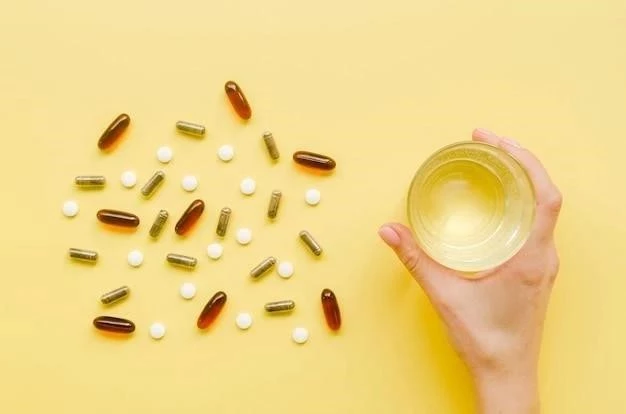
Biotin, also known as Vitamin B7, is an essential water-soluble vitamin crucial for numerous bodily functions. While typically obtained through diet, biotin supplements have gained popularity. This article provides a detailed overview.
What is Biotin?
Biotin is a B-vitamin that plays a vital role in converting food into energy. It’s heavily involved in the metabolism of fats, carbohydrates, and proteins. Crucially, it supports healthy hair, skin, and nails. It’s also important for proper nerve function.
Benefits of Biotin Supplements
- Hair Health: Often touted for promoting hair growth and thickness, though evidence varies. Deficiencies can lead to hair loss.
- Skin Health: May improve skin conditions like dermatitis, particularly in those with biotinidase deficiency.
- Nail Strength: Can strengthen brittle nails, reducing breakage.
- Metabolic Support: Aids in converting food into usable energy.
- Nervous System: Supports healthy nerve signaling.
- Blood Sugar Control: Some research suggests potential benefits for blood sugar management, particularly in individuals with diabetes, but more studies are needed.
Who Might Benefit from Biotin Supplements?
Most people get enough biotin from their diet. However, certain groups may be at risk of deficiency:
- Pregnant and Breastfeeding Women: Increased biotin needs.
- Individuals with Biotinidase Deficiency: A rare genetic disorder preventing biotin absorption.
- People with Digestive Disorders: Conditions like Crohn’s disease can impair absorption.
- Those Taking Certain Medications: Long-term use of antibiotics or anticonvulsants.
Dosage & Forms
There isn’t a strict Recommended Dietary Allowance (RDA) for biotin, but an Adequate Intake (AI) of 30 micrograms (mcg) per day is suggested for adults. Supplements typically range from 30 mcg to 10,000 mcg. Forms include:
- Capsules/Tablets: Most common.
- Gummies: Palatable, but may contain added sugar.
- Liquids: Easily absorbed.
Potential Side Effects & Precautions
Biotin is generally considered safe, even at high doses, as it’s water-soluble and excess is excreted in urine. However:
- Lab Test Interference: High doses can interfere with certain lab tests (thyroid, cardiac markers), leading to inaccurate results. Always inform your doctor if you’re taking biotin supplements before any blood tests.
- Mild Digestive Upset: Some individuals may experience nausea or diarrhea.
- Skin Rash: Rare, but possible.
Dietary Sources of Biotin
Prioritize obtaining biotin from food:
- Eggs: Especially the yolk.
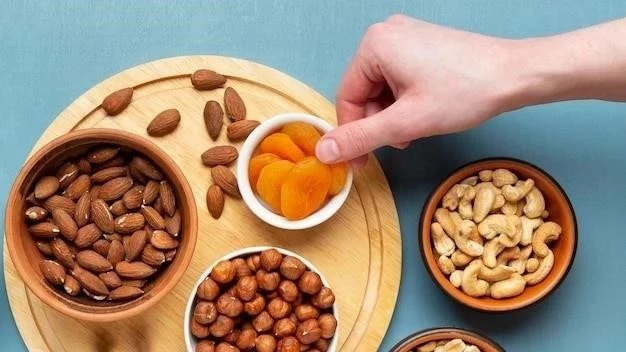
- Nuts & Seeds: Almonds, walnuts, sunflower seeds.
- Sweet Potatoes: A good source.
- Salmon: Rich in biotin.
- Liver: A concentrated source.
- Avocados: Contain a moderate amount.
Biotin supplements can be beneficial for those with deficiencies or specific health concerns. However, a balanced diet is usually sufficient. Consult with a healthcare professional before starting any new supplement regimen, especially if you have underlying health conditions or are taking medications.