
Juvenon Review: Does This Cellular Health Supplement Live Up to the Hype?
August 7, 2026Understanding Probiotic Supplements with 3 Billion CFU
August 8, 2026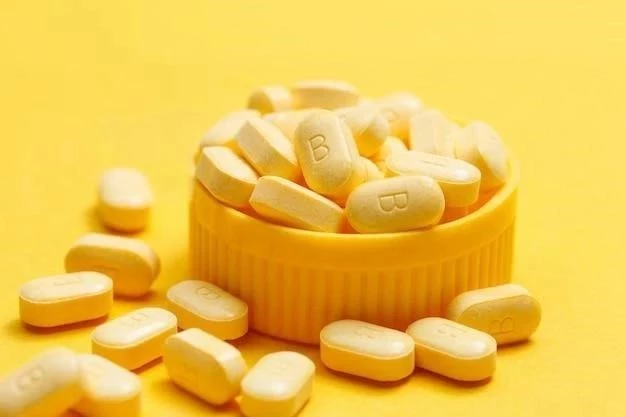
Vitamin B12 is an essential nutrient playing a vital role in nerve function, red blood cell production, and DNA synthesis․ While typically obtained through diet (meat, fish, eggs, dairy), many individuals, particularly vegans, vegetarians, and older adults, are at risk of deficiency․ This leads to the question: are vitamin B12 supplements safe? The answer, generally, is yes, but with nuances․
Understanding Vitamin B12 & Deficiency
B12, also known as cobalamin, isn’t directly absorbed by the body․ It requires a protein called intrinsic factor, produced in the stomach, for absorption in the small intestine․ Conditions affecting either production or absorption can lead to deficiency․ Symptoms include fatigue, weakness, constipation, loss of appetite, nerve problems (numbness, tingling), and even cognitive difficulties․
Safety Profile of B12 Supplements
Vitamin B12 is considered remarkably safe, even at high doses․ This is because it’s a water-soluble vitamin; excess amounts are typically excreted in urine․ Serious adverse effects are extremely rare․ However, potential side effects, though uncommon, should be considered:
Potential Side Effects (Rare)
- Mild Digestive Issues: Some individuals may experience nausea, diarrhea, or stomach upset, especially with high doses․
- Allergic Reactions: Though rare, allergic reactions (rash, itching, swelling) are possible, particularly with injections․
- Acne: High-dose B12 supplementation has been linked to acne breakouts in some cases․
- Drug Interactions: B12 can interact with certain medications, such as metformin (for diabetes) and proton pump inhibitors (for acid reflux), potentially reducing absorption․
Different Forms of B12 Supplements
Several forms are available:
- Cyanocobalamin: The most common and least expensive form․ The body converts it to active forms․
- Methylcobalamin: An active form, readily usable by the body․ Some prefer this, believing it’s better absorbed, though evidence is mixed․
- Adenosylcobalamin: Another active form, important for mitochondrial function․
- Hydroxocobalamin: Often used in injections, it’s slowly released, providing a longer-lasting effect․
Generally, all forms are safe, but individual responses may vary․
Who Should Consider Supplementation?
- Vegans & Vegetarians: Plant-based diets lack B12․
- Older Adults: Absorption declines with age․
- Individuals with Pernicious Anemia: An autoimmune condition affecting intrinsic factor production․
- People with Gastrointestinal Disorders: Conditions like Crohn’s disease or celiac disease can impair absorption․
- Those Taking Certain Medications: Metformin and PPIs can interfere with absorption․
Dosage Recommendations
The Recommended Dietary Allowance (RDA) for adults is 2․4 micrograms (mcg) daily․ However, higher doses are often used for deficiency correction․ A doctor can determine the appropriate dosage based on individual needs and deficiency severity․ Sublingual (under the tongue) tablets and injections are also options․
Vitamin B12 supplements are generally safe and effective for preventing and treating deficiency․ While side effects are rare, it’s crucial to be aware of potential interactions and choose a form suitable for your needs․ Consulting a healthcare professional is always recommended before starting any new supplement regimen, especially if you have underlying health conditions or are taking medications․