
The 6S System Expanding 5S for Enhanced Workplace Excellence
June 14, 2026
Gigi A Holistic Approach to Wellness
June 16, 2026
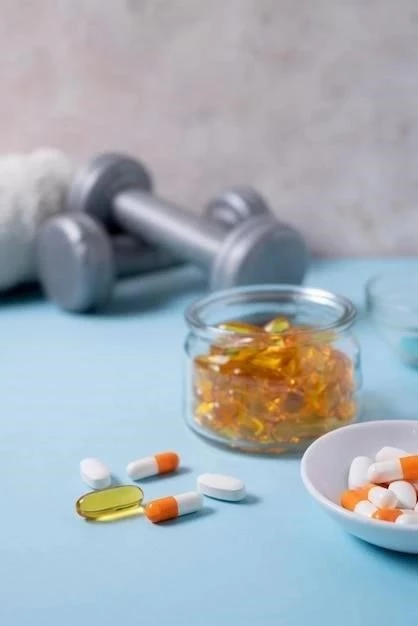
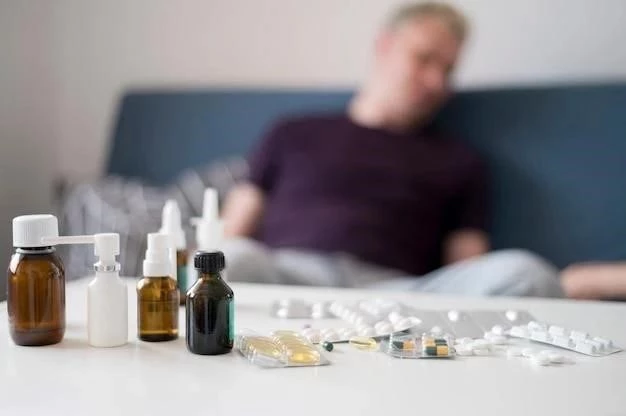
The liver, an indispensable organ, performs over 500 vital functions, including crucial detoxification processes. While many dietary supplements are often perceived as benign, some can indeed pose significant, sometimes life-threatening, risks to liver health. Understanding these potential dangers is paramount for making informed health decisions and safeguarding one’s well-being. This comprehensive article delves into six specific supplements that have been consistently linked to liver toxicity, underscoring the critical importance of caution and professional medical guidance before consumption.
Why Liver Health Matters
Our liver meticulously filters blood, metabolizes drugs and nutrients, produces essential proteins, and stores vital vitamins and minerals. Any damage to this multifaceted organ can severely impair these intricate functions, leading to a cascade of severe health complications, ranging from persistent fatigue and jaundice to irreversible complete liver failure. Protecting liver health is, therefore, an absolutely paramount endeavor for maintaining overall physiological balance and long-term well-being.
The Peril of Supplements: A Double-Edged Sword
A common misconception is that “natural” supplements are inherently safe. However, this notion is fundamentally flawed; “natural” does not equate to “harmless” or unregulated. Unlike pharmaceutical drugs, dietary supplements typically bypass stringent regulatory oversight before reaching consumers. They can contain highly potent compounds, unexpected contaminants, or interact adversely with prescribed medications or an individual’s unique biochemistry, leading to unforeseen and sometimes severe side effects, including acute liver injury.
Green Tea Extract (GTE)
Widely promoted for its purported weight loss benefits and rich antioxidant properties, concentrated green tea extract contains exceptionally high levels of catechins, most notably epigallocatechin gallate (EGCG). While regular consumption of brewed green tea is generally considered safe, its highly concentrated extract can, in susceptible individuals, overwhelm the liver’s intricate metabolic capacity. Numerous cases of acute liver injury, varying from mild enzyme elevation to life-threatening liver failure, have been documented, often associated with very high doses or ingestion on an empty stomach. The underlying mechanism is believed to involve mitochondrial dysfunction and oxidative stress within liver cells.
Kava
Derived from the roots of the Piper methysticum plant, kava has been traditionally utilized for its anxiolytic (anxiety-reducing) and relaxing effects. Despite centuries of historical use in Pacific cultures, a surge of severe hepatotoxicity cases, including devastating liver failure often necessitating transplantation, emerged in Western countries during the late 1990s and early 2000s, prompting widespread bans in several nations. Although some theories pointed to contamination or specific extraction methods, the prevailing consensus asserts that kava inherently poses a significant risk of liver damage, likely due to its kavalactone compounds impacting liver enzymes or forming hepatotoxic metabolites.
Black Cohosh
Primarily employed by women seeking relief from menopausal symptoms, black cohosh (Actaea racemosa) has been implicated in a considerable number of liver injury reports. While the definitive causal link remains a subject of ongoing debate and some clinical trials have not established a direct effect, numerous case reports meticulously detail idiosyncratic liver reactions, encompassing hepatitis and liver failure, in individuals consuming black cohosh. The precise mechanism of injury is not fully elucidated but may involve immune-mediated responses or unique metabolic idiosyncrasies, thereby underscoring a clear need for caution, particularly with prolonged or high-dose usage.
Comfrey
Comfrey (Symphytum officinale), a plant historically used in herbal medicine, contains highly dangerous compounds known as pyrrolizidine alkaloids (PAs). These PAs are unequivocally recognized as potent hepatotoxins. They can induce veno-occlusive disease, a severe and irreversible condition where the small veins within the liver become obstructed, invariably leading to profound liver damage and potentially fatal liver failure. Given these undeniable and significant risks, oral comfrey products are either largely banned or heavily restricted in numerous countries. While external topical applications might be considered marginally safer, internal consumption of comfrey is unequivocally and strongly discouraged due to its severe hepatotoxic potential.
Germander
Germander (Teucrium chamaedrys) was once incorporated into various herbal remedies, particularly those marketed for weight loss and digestive support. However, its consumption has been irrefutably linked to severe and often acute hepatotoxicity. Its active diterpenoid compounds are metabolized into highly reactive intermediates that can directly inflict damage upon liver cells, culminating in acute hepatitis, profound jaundice, and in critical instances, liver failure. The alarming number of germander-induced liver injury cases led to its swift withdrawal from the market in many regions. Its surreptitious inclusion in certain herbal “detox” or weight-loss blends remains a persistent and serious public health concern.
Niacin (Vitamin B3) in High Doses
While niacin is an indispensable B vitamin crucial for numerous bodily functions, its therapeutic administration at high doses, frequently prescribed for managing dyslipidemia (e.g., elevated cholesterol), can induce significant liver toxicity. The risk of hepatotoxicity is distinctly dose-dependent and escalates dramatically with daily intakes exceeding 2-3 grams. Paradoxically, sustained-release formulations, designed to mitigate the uncomfortable flushing side effect, often present a higher risk of hepatotoxicity compared to immediate-release forms, as they prolong the liver’s exposure to the active compound. Symptoms can encompass a spectrum from elevated liver enzymes to severe, acute hepatitis. Consequently, strict medical supervision is absolutely essential when considering or undergoing high-dose niacin therapy.
Recognizing the Warning Signs
If you are currently taking any supplements and begin to experience any of the following concerning symptoms, it is imperative that you seek immediate medical attention and consult with a healthcare professional without delay:
- Unexplained, persistent fatigue or profound weakness
- Persistent nausea, recurrent vomiting, or significant loss of appetite
- Noticeable darkening of urine (tea-colored)
- Yellowing discoloration of the skin or whites of the eyes (jaundice)
- Sudden, severe abdominal pain, particularly localized in the upper right quadrant
- Generalized, persistent itching without an obvious rash
The inherent allure and perceived safety of natural remedies are undeniably strong, yet it is critically important to approach all supplements with an informed and cautious perspective. The very real potential for liver toxicity stemming from certain herbal and dietary supplements represents a serious public health concern that cannot be overstated. Always, without exception, inform your healthcare provider about every supplement you are currently taking or considering. Conduct thorough research from credible sources, prioritize evidence-based information, and always remember that professional medical advice tailored to your individual health profile is absolutely irreplaceable. Your liver’s delicate health, and indeed your overall well-being, profoundly depend on making judicious and informed choices.