
Top Vitamins for Energy Boost in the Philippines
July 18, 2026
Vitamin B12 and Brain Health
July 18, 2026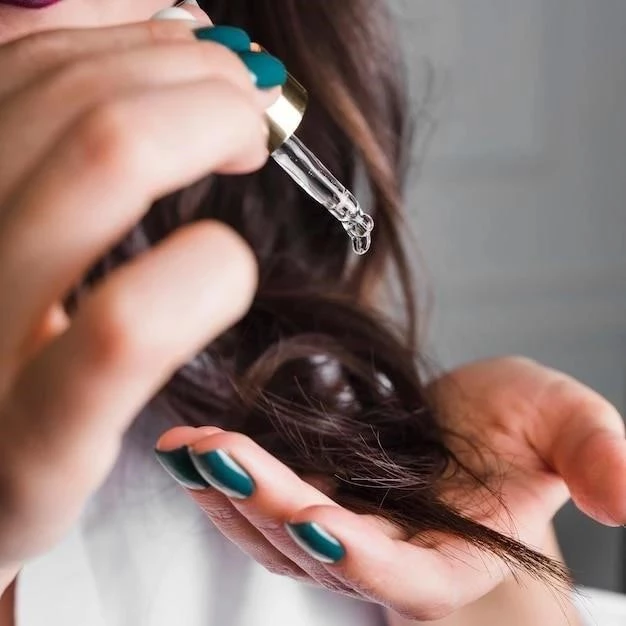
Hair growth supplements are a booming market, and increasingly, they’re available in liquid form. But are liquid supplements truly more effective than pills? This article dives deep into the world of liquid hair growth supplements, exploring their benefits, key ingredients, how to choose the right one, and potential side effects. We’ll aim for a character count around 3110.
Why Choose Liquid Supplements?
Liquid supplements offer several advantages over traditional pills:
- Enhanced Absorption: Liquids are generally absorbed more quickly and efficiently by the body than pills. This is because they bypass the breakdown process required for pills to dissolve in the stomach.
- Higher Bioavailability: Greater absorption translates to higher bioavailability – meaning a larger percentage of the nutrients actually reach your bloodstream and can be utilized by your body.
- Easier to Swallow: A significant benefit for those who struggle with swallowing pills.
- Customizable Dosage: Liquids often allow for more precise dosage adjustments.
- Faster Acting: Due to quicker absorption, you may notice results sooner (though this varies).
Key Ingredients to Look For
Not all liquid hair growth supplements are created equal. Here are some of the most effective ingredients:
Biotin (Vitamin B7)
Perhaps the most well-known hair growth vitamin. Biotin strengthens hair and promotes growth, particularly in those deficient in it. Deficiency is rare, but supplementation can still be beneficial.
Collagen
A protein that provides amino acids needed to build keratin, the primary protein that makes up hair. Liquid collagen is readily absorbed.
Vitamin D
Plays a role in hair follicle cycling. Low Vitamin D levels have been linked to hair loss.
Vitamin C
An antioxidant that protects hair follicles from damage and aids in collagen production.
Iron
Iron deficiency is a common cause of hair loss, especially in women. Liquid iron is often better tolerated than iron pills.
Zinc
Essential for hair tissue growth and repair. Also helps keep the oil glands around follicles working properly.
Saw Palmetto
Often used to address hair loss related to DHT (dihydrotestosterone), a hormone linked to androgenetic alopecia (male/female pattern baldness).
Keratin
Directly provides the building blocks of hair, strengthening and reducing breakage.
Hyaluronic Acid
Hydrates the scalp and hair, promoting elasticity and reducing dryness.
Choosing the Right Liquid Supplement
With so many options available, selecting the best liquid hair growth supplement can be overwhelming; Consider these factors:
- Ingredient List: Prioritize supplements containing a blend of the key ingredients mentioned above.
- Dosage: Follow the recommended dosage instructions carefully. More isn’t always better.
- Third-Party Testing: Look for supplements that have been tested by independent organizations (like USP or NSF) to ensure quality and purity.
- Reviews: Read reviews from other users to get an idea of the supplement’s effectiveness and potential side effects.
- Your Specific Needs: Are you addressing a specific deficiency (like iron)? Or are you looking for overall hair health support?
- Sugar Content: Some liquid supplements contain added sugar for taste. Be mindful of this, especially if you have dietary restrictions.
Potential Side Effects
While generally safe, liquid hair growth supplements can have side effects:
- Digestive Issues: Some ingredients, like iron, can cause nausea, constipation, or diarrhea.
- Allergic Reactions: Always check the ingredient list for potential allergens.
- Interactions with Medications: Certain ingredients can interact with medications. Consult your doctor before starting any new supplement.
- Biotin Interference with Lab Tests: High doses of biotin can interfere with certain lab tests, leading to inaccurate results. Inform your doctor if you’re taking biotin supplements.
Important Considerations
Liquid supplements are not a magic bullet. Hair growth is a complex process influenced by genetics, diet, stress levels, and overall health. For best results:
- Maintain a Healthy Diet: Ensure you’re getting enough protein, vitamins, and minerals from your food.
- Manage Stress: Chronic stress can contribute to hair loss.
- Proper Hair Care: Avoid harsh chemicals and excessive heat styling.
- Consult a Dermatologist: If you’re experiencing significant hair loss, see a dermatologist to rule out underlying medical conditions.