
Supplements Worth Taking
March 25, 2026
Supplements on Sale A Guide to Smart Wellness Shopping
March 25, 2026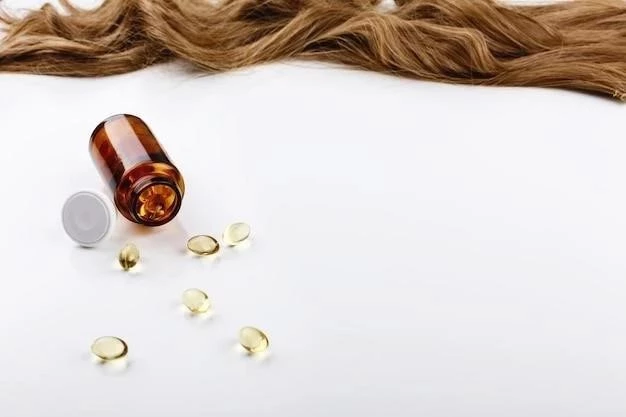
Achieving vibrant hair is a common goal. Hair loss‚ thinning‚ or dullness can impact self-esteem. While genetics play a role‚ stress‚ diet‚ hormones‚ and environment also contribute. Hair growth supplements offer internal nourishment‚ providing building blocks for stronger‚ healthier hair. This guide explores the science‚ key ingredients‚ and considerations for choosing the best option.
Understanding Hair Loss: Key Causes
Knowing hair loss causes is crucial. Common reasons:
- Androgenetic Alopecia: Genetic male/female pattern baldness.
- Nutritional Deficiencies: Lack of essential vitamins (Biotin‚ D)‚ minerals (Iron‚ Zinc)‚ and proteins.
- Stress (Telogen Effluvium): Severe stress can trigger widespread shedding.
- Hormonal Changes: Pregnancy‚ menopause‚ thyroid issues.
- Medical Conditions: Certain illnesses or treatments.
- Aging: Natural thinning and slower growth.
Supplements primarily target nutritional gaps and support follicular health‚ aiding a holistic regimen.
Key Ingredients for Hair Growth Supplements
Supplement efficacy hinges on active ingredients. Here are scientifically-backed components:
Biotin (Vitamin B7)
The “hair vitamin‚” Biotin is vital for keratin production‚ hair’s primary protein. Supplementing can improve hair strength‚ elasticity‚ and reduce breakage‚ supporting crucial metabolism.
Marine Collagen
Collagen‚ the body’s most abundant protein‚ structures hair‚ skin‚ and tissues. Marine collagen (Type I‚ III) is highly bioavailable‚ providing amino acids (proline‚ glycine) for keratin. It also fights free radical damage to follicles‚ potentially reducing age-related thinning.
Saw Palmetto
Combats androgenetic alopecia. This botanical extract inhibits 5-alpha-reductase‚ converting testosterone into DHT. DHT shrinks follicles in predisposed individuals; blocking it prevents thinning and promotes regrowth.
Essential Vitamins & Minerals
- Vitamin A: Essential for cell growth‚ including hair cells. Balance is key; excess can cause loss.
- Vitamin C: Antioxidant protecting follicles from free radical damage. Vital for collagen synthesis and iron absorption.
- Vitamin D: Crucial for hair follicle cycling. Low levels link to hair loss.
- Vitamin E: Antioxidant improving scalp circulation for healthy hair growth.
- Zinc: Key for hair tissue growth/repair. Deficiency causes hair loss. Helps oil glands function.
- Iron: Deficiency (anemia) is a common cause of hair loss‚ particularly in women. Carries oxygen to follicles.
- Selenium: Trace element involved in hair growth; high doses are detrimental.
Ashwagandha
An adaptogenic herb‚ Ashwagandha manages stress‚ a major contributor to telogen effluvium. By lowering cortisol‚ it supports a healthier hair growth cycle‚ preventing stress-induced shedding.
Hyaluronic Acid
Benefits the scalp by retaining moisture‚ creating a hydrated environment for healthy hair growth‚ improving hair strand elasticity and strength.
Peptides (e.g.‚ Keratin Peptides)
Small amino acid chains that signal cells. Keratin peptides directly provide hair building blocks‚ repairing damage and strengthening existing strands for overall hair health.
Top Hair Growth Supplement Categories
Understanding available formulations helps narrow choices:
- Collagen-Based: Supply structural proteins for hair‚ skin‚ nails; Often marine/bovine collagen‚ sometimes with Vitamin C.
- Multivitamin & Mineral Blends: Target general nutritional deficiencies‚ providing micro-nutrients for healthy hair (Biotin‚ Zinc‚ Iron‚ B vitamins).
- DHT Blockers: For androgenetic alopecia‚ with ingredients like Saw Palmetto‚ Pygeum Africanum‚ Nettle Root to inhibit DHT.
- Adaptogen-Based: Combat stress-related hair loss using herbs like Ashwagandha‚ Rhodiola‚ Ginseng to modulate stress response.
Choosing a Supplement: Key Considerations
Selecting the right supplement requires careful thought:
Ingredients & Formulation
Seek scientifically-backed ingredients at effective dosages. Avoid proprietary blends without disclosed amounts. Synergistic formulations (e.g.‚ collagen with Vitamin C) enhance efficacy.
Third-Party Testing & Quality
Prioritize brands with third-party testing for purity‚ potency‚ and contaminants. Look for GMP certifications for quality and safety.
Reviews & Brand Reputation
Read customer reviews‚ focusing on consistent‚ long-term feedback. Research the brand’s transparency‚ ethical sourcing‚ and customer service.
Potential Side Effects
Even natural supplements can have side effects. High Biotin doses can affect lab tests. Always read warnings and consult a healthcare professional‚ especially with existing conditions or other medications.
Consistency & Patience
Hair growth is slow. Supplements need consistent use for 3-6 months for visible results. Manage expectations and commit to the regimen.
Important Disclaimer
Supplements are not a cure-all. They work best as part of a holistic approach: balanced diet‚ stress management‚ gentle hair care‚ and addressing underlying medical conditions. Always consult a dermatologist or healthcare provider before starting any new supplement‚ particularly for significant hair loss or health concerns.
The path to healthier‚ thicker hair is complex; supplements offer crucial support. By understanding hair loss causes‚ key ingredients (Biotin‚ Marine Collagen‚ Saw Palmetto)‚ and considering product quality‚ you can make informed choices. Patience and consistency are vital. With the right supplement and a comprehensive strategy‚ you can boost your hair’s vitality and strength‚ gaining confidence from healthy hair.