
Understanding Testosterone Supplements
June 4, 2026
The Science of Creatine and Performance Supplements
June 5, 2026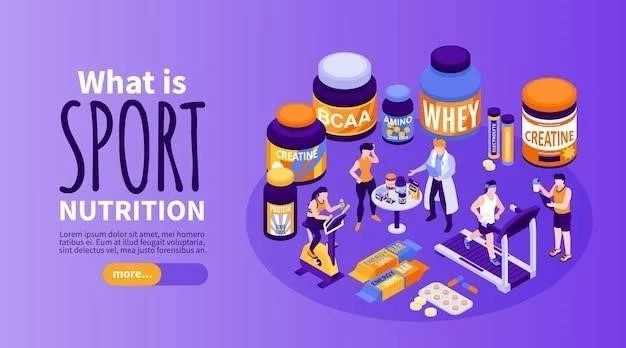
The vast and often complex world of dietary supplements offers a wide array of options‚ from vitamins and minerals to herbal extracts and performance enhancers. While many supplement names span multiple syllables‚ a surprising number of vital compounds are identified by just four letters. This article delves into a selection of these compact yet potent supplements‚ exploring their roles‚ benefits‚ and key considerations for their use. Understanding these fundamental components is crucial for optimizing your overall health and wellness.
Essential Minerals: IRON and ZINC
IRON: The Vital Oxygen Carrier
Iron is an indispensable mineral‚ playing a central role in numerous bodily functions. Its most well-known function is as a key component of hemoglobin‚ the protein in red blood cells responsible for transporting oxygen from the lungs to all tissues and organs. Iron is also vital for cellular growth‚ immune function‚ and the synthesis of hormones and connective tissue.
Deficiency in iron‚ known as iron-deficiency anemia‚ is one of the most common nutritional deficiencies worldwide‚ particularly affecting women‚ children‚ and vegetarians. Symptoms include fatigue‚ weakness‚ pale skin‚ shortness of breath‚ and impaired cognitive function. Dietary sources include red meat‚ poultry‚ fish‚ beans‚ lentils‚ spinach‚ and fortified cereals. Iron supplements are often prescribed to correct deficiencies‚ but excessive intake can be harmful‚ leading to iron overload. Therefore‚ supplementation should always be guided by a healthcare professional after diagnostic testing.
ZINC: The Immune Booster
Zinc is another essential trace mineral involved in over 300 enzymatic reactions in the body. It is critical for immune system function‚ wound healing‚ protein synthesis‚ DNA synthesis‚ and cell division. Zinc also plays a role in taste and smell perception‚ thyroid function‚ and maintaining skin integrity. Its antioxidant properties help protect cells from damage.
Deficiency can lead to impaired immune response‚ delayed wound healing‚ hair loss‚ diarrhea‚ and growth retardation in children. Good dietary sources include red meat‚ poultry‚ oysters‚ beans‚ nuts‚ whole grains‚ and dairy products. Zinc supplements are popular for boosting immunity‚ especially during cold and flu season‚ and for addressing deficiencies. However‚ high doses can interfere with copper absorption and lead to other adverse effects. Like iron‚ zinc supplementation should be undertaken with caution and ideally under medical supervision.
Powerhouse Proteins and Performance Enhancers
WHEY: The King of Protein
Whey protein is one of the most popular and effective dietary supplements for muscle growth and repair. It is a complete protein‚ meaning it contains all nine essential amino acids necessary for the body. Derived from milk during the cheese-making process‚ whey is rapidly digested and absorbed‚ leading to a quick rise in amino acid levels in the blood‚ which is beneficial for stimulating muscle protein synthesis‚ particularly after exercise.
There are several forms of whey protein: concentrate‚ isolate‚ and hydrolysate‚ differing in their processing and lactose content. Whey protein supports muscle recovery‚ aids in weight management by promoting satiety‚ and can contribute to overall daily protein intake‚ which is crucial for active individuals and those looking to build or maintain muscle mass. It is generally safe for most individuals‚ though those with lactose intolerance may prefer isolate or hydrolysate forms.
CREA: The Strength Multiplier
Creatine‚ often abbreviated as CREA‚ is one of the most scientifically studied and proven performance-enhancing supplements. It is a naturally occurring compound found in muscle cells‚ primarily involved in energy production during high-intensity‚ short-burst activities like weightlifting and sprinting. Creatine supplementation increases the body’s phosphocreatine stores‚ which in turn helps to regenerate ATP (adenosine triphosphate)‚ the primary energy currency of cells.
Benefits of creatine include increased muscle strength and power output‚ enhanced exercise performance‚ improved muscle recovery‚ and potential cognitive benefits. Creatine monohydrate is the most common and effective form. It is generally considered safe for healthy individuals when taken at recommended dosages. Users often experience a slight increase in body weight due to increased water retention in muscle cells‚ which is a normal and expected effect.
Natural Extracts and Specialized Compounds
HERB: Nature’s Pharmacy
While “HERB” itself is a broad category‚ many potent herbal supplements are derived from plants and have been used for centuries in traditional medicine. Though specific examples like ‘Ginseng’ or ‘Turmeric’ are longer than four letters‚ the concept of herbal supplementation is fundamental. These natural extracts can offer a wide range of benefits‚ from supporting immune health (e.g.‚ Echinacea) and cognitive function (e.g.‚ Ginkgo Biloba) to aiding sleep (e.g.‚ Valerian Root) and reducing inflammation.
The appeal of herbal supplements lies in their natural origin‚ but this does not equate to inherent safety. Quality‚ standardization‚ and potential interactions with medications are significant concerns. It is paramount to research specific herbs thoroughly and consult with a healthcare provider or a qualified herbalist before incorporating them into a regimen‚ especially given the varying potency and purity across products.
FISH: The Omega-3 Goldmine
“FISH” often refers to fish oil supplements‚ which are rich in omega-3 fatty acids‚ specifically eicosapentaenoic acid (EPA) and docosahexaenoic acid (DHA). These essential fatty acids are critical for brain health‚ heart health‚ and reducing inflammation throughout the body. Since the human body cannot produce EPA and DHA in sufficient quantities‚ they must be obtained through diet or supplementation.
Benefits of fish oil include supporting cardiovascular health by lowering triglycerides and blood pressure‚ improving cognitive function and mood‚ and reducing symptoms of inflammatory conditions like rheumatoid arthritis. Dietary sources include fatty fish like salmon‚ mackerel‚ tuna‚ and sardines. Fish oil supplements are a convenient way to ensure adequate intake‚ especially for those who do not regularly consume fish. Quality and purity are crucial when choosing fish oil‚ as products can vary in their EPA/DHA content and potential contaminants.
Niche but Notable: GABA and DHEA
GABA: The Calming Neurotransmitter
GABA (gamma-aminobutyric acid) is the primary inhibitory neurotransmitter in the central nervous system. Its main role is to reduce neuronal excitability throughout the nervous system‚ essentially acting as a natural calming agent. By slowing down brain activity‚ GABA can help alleviate anxiety‚ promote relaxation‚ and improve sleep quality.
GABA supplements are marketed for their potential to reduce stress‚ improve mood‚ and aid sleep. However‚ there is ongoing debate about whether orally ingested GABA can effectively cross the blood-brain barrier in significant amounts to exert these effects directly. Some studies suggest it might work via the gut-brain axis‚ while others remain skeptical. Users often report anecdotal benefits‚ but scientific evidence is still evolving. Consultation with a doctor is advised‚ particularly for individuals on other medications affecting the nervous system.
DHEA: The Hormone Precursor
DHEA (dehydroepiandrosterone) is a naturally occurring steroid hormone produced by the adrenal glands‚ gonads‚ and brain. It is a precursor to other hormones‚ including testosterone and estrogen. DHEA levels naturally peak in early adulthood and decline with age.
DHEA supplements are often used by older adults with the hope of reversing age-related decline‚ improving energy‚ enhancing libido‚ and boosting bone density. Some athletes use it for potential muscle-building effects‚ though its efficacy and safety for this purpose are highly debated and it is banned by many sports organizations. While DHEA plays a vital role in the body‚ supplementing with hormones carries inherent risks. Potential side effects include acne‚ hair loss‚ mood changes‚ and interference with natural hormone production. DHEA supplementation should only be considered under strict medical guidance and monitoring‚ as its long-term effects are not fully understood.
General Considerations for Supplement Use
Navigating the world of 4-letter supplements‚ or any supplements‚ requires a thoughtful and informed approach.
- Consultation with Healthcare Professionals: Speak with a doctor‚ dietitian‚ or pharmacist before starting any new supplement regimen. They can assess your individual needs‚ potential deficiencies‚ and existing health conditions or medications to prevent adverse interactions.
- Quality and Purity: The supplement industry is not as tightly regulated as pharmaceuticals. Look for reputable brands that conduct third-party testing and provide certificates of analysis to ensure product purity‚ potency‚ and absence of contaminants.
- Dosage and Timing: Adhere strictly to recommended dosages. More is not always better and can often lead to side effects or toxicity. Pay attention to timing instructions‚ as some supplements are best taken with food‚ others on an empty stomach.
- Potential Interactions and Side Effects: Be aware that supplements can interact with prescription medications‚ over-the-counter drugs‚ and other supplements. Always report all supplements you are taking to your healthcare provider. Monitor your body for any adverse reactions.
- Importance of a Balanced DIET: Supplements are intended to “supplement” a healthy diet‚ not replace it. A nutrient-rich‚ balanced diet remains the cornerstone of good health. Supplements can fill gaps‚ but they cannot compensate for poor eating habits.
The concise names of IRON‚ ZINC‚ WHEY‚ CREA‚ HERB‚ FISH‚ GABA‚ and DHEA belie their significant impact on human health and performance. From foundational minerals to advanced performance aids and natural compounds‚ these 4-letter supplements represent a diverse cross-section of the industry. While they offer compelling benefits‚ their effective and safe use hinges on informed decision-making‚ careful consideration of individual needs‚ and professional guidance. By prioritizing research‚ quality‚ and medical advice‚ individuals can harness the potential of these powerful compounds to support their wellness goals responsibly and effectively.