
Common Supplement Combinations to Avoid
February 14, 2026
A Comprehensive Guide to Post-Hysterectomy Supplements
February 16, 2026
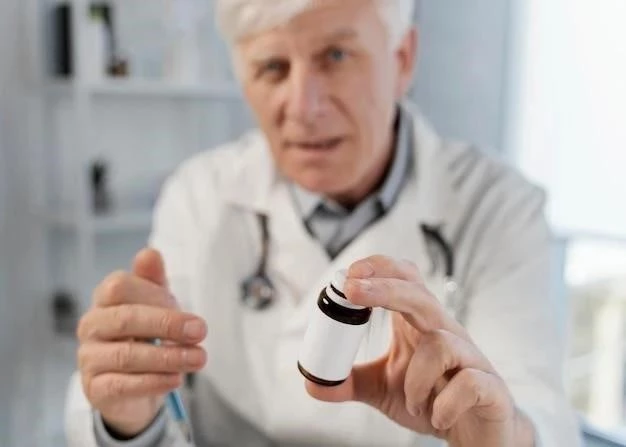
Biotin supplements, often recognized for their role in enhancing beauty, represent a popular category of dietary aids. These products are formulated to provide an additional source of biotin, a vital B-vitamin, to individuals looking to support various bodily functions. They are widely available and sought after by many consumers.
What is Biotin?
Biotin, also widely recognized as Vitamin B7 or sometimes Vitamin H, stands as a fundamental water-soluble vitamin within the broader B-complex family. Unlike fat-soluble vitamins that can be stored in the body for extended periods, biotin’s water-soluble nature means that any excess amounts are typically excreted through the urine, necessitating a regular intake to maintain adequate levels. It is an essential micronutrient, which implies that the human body cannot synthesize it in sufficient quantities on its own, making dietary sources or supplementation crucial for its acquisition.
At its core, biotin functions as a vital coenzyme for several carboxylase enzymes, playing a pivotal role in numerous metabolic processes. These enzymatic reactions are indispensable for the metabolism of macronutrients—carbohydrates, fats, and proteins. Specifically, biotin facilitates the conversion of food into usable energy by assisting in gluconeogenesis (the synthesis of glucose from non-carbohydrate sources), fatty acid synthesis, and the catabolism of certain amino acids. This intricate involvement underscores its importance in maintaining a healthy metabolic rate and supporting overall cellular energy production.
Naturally, biotin is found in a diverse array of foods, contributing to its availability in a balanced diet. Rich sources include egg yolks, which are particularly abundant, along with organ meats such as liver and kidney. Plant-based sources also contribute significantly, including nuts (like peanuts and walnuts), seeds (such as sunflower seeds), whole grains, legumes, and certain vegetables like sweet potatoes, spinach, and broccoli. Additionally, some gut bacteria are capable of producing biotin, although the extent to which this contributes to human nutritional needs is still an area of ongoing research. Understanding biotin’s essential metabolic functions provides the foundation for appreciating its profound impact on fundamental physiological well-being. Its role as a coenzyme is truly fundamental to life itself.
Benefits of Biotin Supplements
Biotin supplements offer various health advantages, stemming from biotin’s crucial role in bodily functions. They are primarily sought for enhancing dermatological health, impacting hair, skin, and nails. Individuals take these supplements expecting stronger, lustrous hair, reduced thinning, and improved growth. Biotin aids keratin synthesis, a key protein forming hair’s structure, contributing to its resilience and vibrant appearance.
Beyond hair, biotin supplementation positively impacts nail strength and quality. Users report reduced nail brittleness, chipping, and splitting, leading to firmer, healthier nails with improved growth. Its influence extends to skin health, with evidence suggesting improvements in complexion, hydration, and vitality. This links to biotin’s involvement in fatty acid metabolism, essential for maintaining healthy skin cells, keeping skin supple and less prone to dryness.
While often highlighted for cosmetic effects, biotin supplements also support fundamental physiological processes. As a vital coenzyme, biotin is indispensable for carbohydrate, fat, and protein metabolism, facilitating food conversion into cellular energy. Optimal biotin levels via supplementation support efficient energy production and help maintain balanced blood sugar, contributing to the overall metabolic health. Biotin also aids healthy nerve function and nervous system operation, supporting cognitive health and reducing nerve discomfort. For those with insufficient dietary intake or specific genetic conditions, supplements prevent deficiency symptoms and bolster vital bodily systems.
Forms and Dosage
Biotin supplements are available in various physical forms, to meet diverse consumer preferences and absorption needs. Common options include traditional tablets, encapsulated formulations, and convenient softgels. Popular chewable gummies offer a pleasant alternative for those who dislike swallowing pills, often coming in flavored varieties. Liquid drops provide flexibility for precise dosage, and are easier for individuals with swallowing difficulties. Powders are also an option, easily mixed into beverages or food items for versatile consumption. Each form has distinct advantages; tablets and capsules are widely accessible and offer straightforward, pre-measured dosing. Gummies make supplementation an enjoyable experience, while liquid solutions are frequently chosen for their potentially faster absorption and ease of titration.
Dosage recommendations for biotin supplements vary considerably, influenced by the product’s concentration, the individual’s specific health goals, and their unique physiological demands. Typical daily doses range broadly, from 1,000 micrograms (mcg) to 10,000 mcg, and sometimes higher in specialized formulations. While the Adequate Intake (AI) for biotin in adults is generally around 30 mcg per day, supplemental doses are often significantly higher. This difference exists because supplements are usually taken for targeted therapeutic effects, such as promoting hair growth or strengthening nails, rather than merely preventing a deficiency. It is crucial for consumers to meticulously review the specific dosage instructions on the supplement’s label. Furthermore, consulting a qualified healthcare professional is highly advisable to determine the most appropriate and safe dosage for one’s individual health status, considering any underlying medical conditions or concurrent medications. This personalized guidance ensures efficacy and minimizes potential risks, promoting a responsible and informed approach to biotin supplementation for health benefits.
Potential Side Effects and Considerations
While biotin supplements are largely considered safe for most at recommended doses, it is vital to acknowledge potential side effects and crucial considerations, especially with high-dose regimens. Most individuals experience no adverse reactions. However, some might encounter mild gastrointestinal discomfort, such as nausea, stomach cramping, or diarrhea, particularly with very large quantities. Infrequently, skin issues like acne or rashes have been reported; a direct causal link isn’t always firm.
A more significant concern with high-dose biotin supplementation is its potential to interfere with certain laboratory tests. Many diagnostic assays, specifically those measuring hormone levels (e.g., thyroid) or cardiac markers (like troponin), employ biotin-streptavidin technology. Excess biotin in the bloodstream can lead to falsely high or low test results, depending on the assay design. This interference can cause misdiagnosis, potentially leading to unnecessary medical interventions or missed diagnoses of serious conditions. Patients must always inform healthcare providers about any biotin supplements taken, especially before blood tests. Discontinuing biotin for a period (e.g., 24-72 hours) before blood draws is often recommended to minimize this risk, under medical guidance.
Moreover, individuals with pre-existing medical conditions, those pregnant or breastfeeding, or on other medications should exercise caution. Biotin can interact with certain anti-seizure medications, reducing effectiveness, and may affect other drug metabolisms. As with all supplements, quality and purity vary, they aren’t as strictly regulated as pharmaceuticals. Choosing reputable brands with third-party testing is advisable. Always consult a healthcare professional before starting any new supplement to discuss appropriate dosages and potential interactions, ensuring safe and effective use tailored to individual health needs.