Infant Nutrition and Supplements at Six Months
April 30, 2026
Supplements for Kidney Health A Comprehensive Guide
May 1, 2026
The world of dietary supplements is vast and ever-expanding, offering a wide array of products designed to support various health goals․ As global populations become more interconnected and health consciousness grows, understanding supplement information across different languages becomes increasingly crucial․ For the millions of Spanish speakers worldwide, navigating labels, understanding product claims, and discussing health needs with professionals often requires a grasp of specific terminology in Spanish․ This detailed guide aims to bridge that linguistic gap, providing essential Spanish vocabulary and insights into the landscape of supplements, empowering individuals to make informed and safe choices․
Why the Growing Interest in Supplements in Spanish-Speaking Communities?
Several factors contribute to the rising interest and consumption of supplements within Spanish-speaking communities․ Firstly, there’s a global trend towards proactive health management, often driven by increased access to health information online and through social media․ This includes a focus on preventing deficiencies, enhancing well-being, and supporting specific physiological functions․ Secondly, traditional herbal remedies and natural healing practices have a strong historical and cultural presence in many Latin American countries and among Hispanic populations․ This cultural inclination towards natural solutions often translates into an openness to dietary supplements, which are frequently perceived as an extension of natural health practices․ Finally, evolving dietary habits, busy lifestyles, and sometimes limited access to nutrient-rich whole foods can lead individuals to seek supplements to fill perceived nutritional gaps․ Understanding these motivations is key to appreciating the context of supplement use․
Key Supplement Categories and Their Spanish Equivalents
Knowing the common categories of supplements and their Spanish names is fundamental․ This section outlines the most popular types, offering their Spanish translations and a brief explanation of their purpose․
- Vitaminas (Vitamins): Essential organic compounds that the body needs for various metabolic functions․ Common examples include Vitamina C (Vitamin C), Vitamina D (Vitamin D), Vitamina B Complejo (B Complex Vitamins), and Multivitaminas (Multivitamins)․
- Minerales (Minerals): Inorganic substances vital for bodily functions like bone formation, nerve function, and fluid balance․ Key minerals include Calcio (Calcium), Magnesio (Magnesium), Hierro (Iron), and Zinc (Zinc)․
- Suplementos a base de hierbas / Herbolarios (Herbal Supplements): Derived from plants, these supplements are often used for their perceived medicinal properties․ Examples include Ginseng, Equinácea (Echinacea), Cúrcuma (Turmeric), and Cardo Mariano (Milk Thistle)․
- Suplementos de Proteínas (Protein Supplements): Popular among athletes and those looking to increase protein intake, often derived from whey, casein, soy, or peas․ Common forms are Proteína de Suero (Whey Protein) and Proteína Vegana (Vegan Protein)․
- Probióticos (Probiotics): Live microorganisms that, when administered in adequate amounts, confer a health benefit on the host, primarily supporting gut health․ Often found as Cultivos Vivos (Live Cultures) or Bacterias Beneficiosas (Beneficial Bacteria)․
- Ácidos Grasos Omega-3 (Omega-3 Fatty Acids): Essential fats known for their role in heart health, brain function, and reducing inflammation․ Commonly sourced from fish oil (Aceite de Pescado)․
- Soporte Articular (Joint Support): Supplements aimed at maintaining joint health and reducing discomfort․ Key ingredients often include Glucosamina (Glucosamine) and Condroitina (Chondroitin)․
- Control de Peso (Weight Management): A broad category including products that may aim to boost metabolism, suppress appetite, or block fat absorption․ Examples are Garcinia Cambogia and Extracto de Té Verde (Green Tea Extract)․
- Estimulantes de Energía (Energy Boosters): Designed to increase energy levels and reduce fatigue․ Often contain ingredients like Cafeína (Caffeine), Vitaminas B (B Vitamins), or Guaraná․
- Salud Cerebral (Brain Health): Supplements marketed to support cognitive function, memory, and focus․ Ingredients might include Ginkgo Biloba and Colina (Choline)․
- Ayudas para Dormir (Sleep Aids): Products intended to promote relaxation and improve sleep quality․ Melatonina (Melatonin) and Valeriana (Valerian) are common in this category․
Essential Spanish Terminology for Supplement Users
Beyond categories, understanding the specific terms used on product labels, in medical discussions, and in marketing materials is vital for making informed decisions․ Here’s a comprehensive list of important terms:
- Suplemento Dietético: Dietary Supplement
- Ingredientes: Ingredients
- Dosis / Posología: Dose / Dosage
- Modo de Empleo / Cómo Usar: Directions for Use
- Advertencias: Warnings
- Contraindicaciones: Contraindications (reasons not to use)
- Efectos Secundarios: Side Effects
- Beneficios: Benefits
- Porción / Ración: Serving (size)
- Cantidad por Porción: Amount per Serving
- Valor Diario (VD): Daily Value (DV)
- Fecha de Caducidad / Vencimiento: Expiration Date
- Lote: Lot (number)
- Fabricado por: Manufactured by
- Distribuido por: Distributed by
- Almacenar en un lugar fresco y seco: Store in a cool, dry place
- Mantener fuera del alcance de los niños: Keep out of reach of children
- Consultar a su médico: Consult your doctor
- No exceder la dosis recomendada: Do not exceed recommended dose
- Natural: Natural
- Orgánico: Organic
- Sin Gluten: Gluten-Free
- Vegano: Vegan
- Vegetariano: Vegetarian
- Extracto: Extract
- Concentración: Concentration
- Cápsulas: Capsules
- Tabletas / Comprimidos: Tablets
- Polvo: Powder
- Líquido: Liquid
- Gomitas: Gummies
- Fórmula: Formula
Benefits and Crucial Considerations When Using Supplements
Potential Benefits:
Supplements can offer various benefits, especially for individuals with specific nutritional needs or deficiencies․ They can help fill gaps in the diet, support athletic performance, aid in recovery, or target specific health concerns like digestive issues or joint discomfort․ For instance, a person with a vitamin D deficiency might benefit significantly from a suplemento de Vitamina D, or an athlete might use proteína en polvo to support muscle repair․ However, these benefits are highly dependent on individual circumstances and the quality of the supplement․
Crucial Considerations:
While supplements can be beneficial, their use is not without risks․ It is paramount to approach them with caution and an informed perspective․
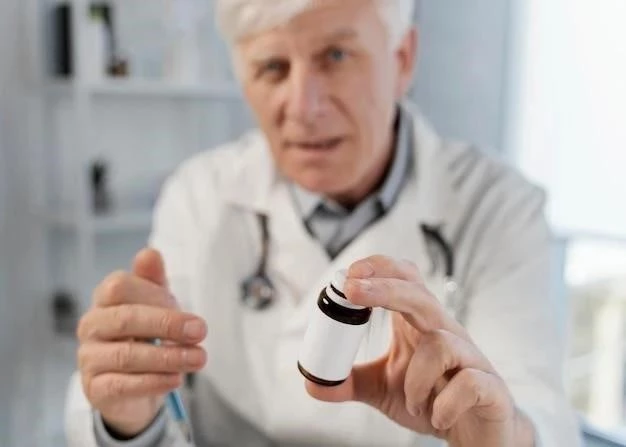
- Consultar a un Médico (Consult a Doctor): Before starting any new supplement, especially if you have underlying health conditions, are pregnant or breastfeeding, or are taking other medications, it is crucial to consult a healthcare professional․ They can provide personalized advice, assess potential interactions, and determine if a supplement is truly necessary and safe for you․ This step is often overlooked but is the most important․
- Calidad y Regulación (Quality and Regulation): The supplement industry is not regulated as strictly as pharmaceuticals in many countries․ This means product quality, purity, and even the actual content can vary widely․ Look for supplements from reputable brands that undergo third-party testing and carry certifications (e․g․, GMP ‒ Good Manufacturing Practices)․ Be wary of exaggerated claims or “miracle cures․”
- Interacciones (Interactions): Supplements can interact with medications, other supplements, or even certain foods, potentially leading to adverse effects or reducing the efficacy of treatments․ For example, some herbal supplements can affect blood clotting or interfere with antidepressant medications․ Always disclose all supplements you are taking to your doctor․
- Dosis (Dosage): Adhere strictly to the recommended dosage on the product label unless otherwise advised by a healthcare professional․ Taking more than the recommended amount does not necessarily increase benefits and can significantly increase the risk of side effects or toxicity․ Higher doses are not always better․
- Efectos Secundarios (Side Effects): Just like medications, supplements can cause side effects․ These can range from mild digestive upset to more severe reactions․ Be aware of potential side effects for any supplement you are considering and discontinue use if you experience adverse reactions․
- La Dieta Primero (Diet First): Supplements are intended to “supplement” a healthy diet, not replace it․ The foundation of good health remains a balanced diet rich in whole foods, adequate hydration, and a healthy lifestyle․ Supplements should be considered an addition to, rather than a substitute for, these fundamental practices․
Navigating Labels and Reliable Information
Understanding how to read a supplement label (etiqueta de suplemento) is a critical skill․ Pay close attention to the tabla de información nutricional (nutrition facts panel), the list of ingredientes, and the modo de empleo․ Be skeptical of products making outlandish claims, especially those promising instant or miraculous results․ For reliable information, consult reputable health organizations, medical professionals, and scientific studies․ Websites ending in ․gov, ․org, or those associated with well-known medical institutions are generally more trustworthy than commercial sites or forums․ Always cross-reference information and be aware of potential biases in marketing materials․
Supplements, when used wisely and under professional guidance, can play a supportive role in an individual’s health journey․ For Spanish speakers, a clear understanding of the relevant terminology is not just a matter of convenience but a crucial step towards ensuring safety and efficacy․ By familiarizing oneself with common categories, essential vocabulary, and critical considerations like consulting a doctor and verifying product quality, individuals can navigate the complex world of supplements with confidence․ Remember, the goal is always to make informed choices that genuinely contribute to one’s overall well-being, prioritizing health and safety above all else․