
Serotonin Supplements Understanding Their Role and Risks
May 26, 2026
Pre-Workout Supplements A Comprehensive Guide
May 27, 2026
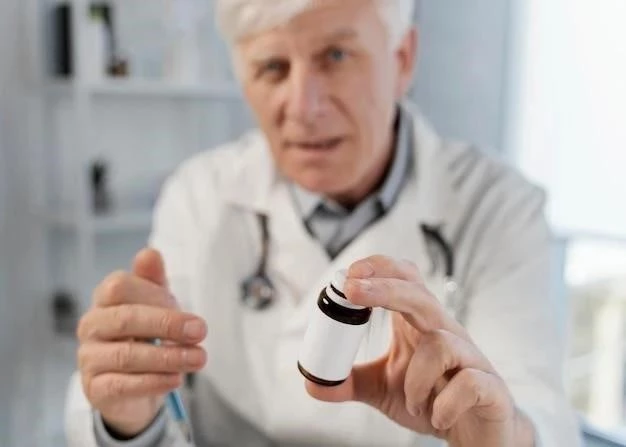
The dates found on bottles of vitamins and other health products often cause confusion‚ leading many to question their real significance․ Far from being arbitrary‚ these markers are crucial indicators of product quality and expected effectiveness․ They offer consumers a fundamental guide regarding the period of peak performance and safety of the contents within their original packaging‚ ensuring informed usage․
Understanding “Best By” vs․ “Use By”
Navigating the date labels on supplement packaging requires understanding the distinct meanings of “Best By” and “Use By” (or “Expiration Date”)․ This distinction is paramount for consumer safety and ensuring product efficacy‚ directly impacting health outcomes and the value derived from the supplements․
“Best By” dates indicate peak quality and expected potency․ After this date‚ a supplement remains generally safe‚ but its active ingredients may have begun to degrade‚ leading to reduced effectiveness․ It is the manufacturer’s guarantee of premium quality‚ not a safety warning․ For example‚ a multivitamin past its “Best By” date might simply deliver less potency‚ making it less efficient but typically harmless․
Conversely‚ a “Use By” or “Expiration Date” is a critical safety and efficacy threshold․ This date signifies the absolute last day the manufacturer guarantees full potency and safety․ Beyond it‚ active compounds could be ineffective or‚ importantly‚ degrade into potentially harmful substances․ This label is a clear directive: consumption past this point is not recommended due to health risks and a complete loss of intended benefits․ This is vital for sensitive products like probiotics‚ where viability is key‚ or certain susceptible herbal extracts․
Manufacturers establish these dates through rigorous stability testing‚ observing ingredient degradation under various conditions․ This scientific process ensures the timeframe accurately reflects when a product maintains its advertised benefits and remains safe․ Heeding these specific labels is essential for optimal results and safeguarding personal health‚ clarifying the product’s expected useful life․
Factors Affecting Supplement Potency
The stability and ultimate effectiveness of dietary supplements are influenced by a complex interplay of various factors‚ extending beyond their labeled dates․ Understanding these elements is crucial for appreciating why some products might degrade faster than others‚ even before reaching their official expiration point․
Firstly‚ the inherent stability of the active ingredients themselves plays a significant role․ Some vitamins‚ such as vitamin C and certain B vitamins‚ are highly sensitive to environmental conditions and are known to degrade relatively quickly․ In contrast‚ fat-soluble vitamins like vitamin D and E‚ along with most minerals‚ generally exhibit greater stability over time․ The chemical structure of each compound dictates its susceptibility to breakdown․
Secondly‚ the product’s formulation and manufacturing quality are critical․ The presence of specific excipients‚ protective coatings‚ or even the type of capsule or tablet used can significantly impact an ingredient’s longevity․ High-quality manufacturing processes ensure purity‚ accurate dosage‚ and proper encapsulation‚ all of which contribute to maintaining initial potency and extending shelf life․ Inferior manufacturing can lead to early degradation due to inadequate protection or initial instability․
Environmental conditions during storage‚ prior to and during consumer use‚ are paramount․ Exposure to excessive heat is a primary culprit for potency loss; elevated temperatures accelerate chemical reactions that break down active compounds․ Similarly‚ light‚ especially ultraviolet (UV) light‚ can degrade light-sensitive ingredients‚ which is why many supplements are packaged in opaque containers․ Moisture and humidity are also detrimental‚ potentially causing hydrolysis‚ clumping‚ and fostering microbial growth‚ particularly in powdered or encapsulated forms․ Lastly‚ oxygen exposure can lead to oxidation‚ a major pathway for the degradation of many vitamins and fatty acids‚ such as omega-3s‚ leading to rancidity and loss of efficacy․ Therefore‚ the microenvironment surrounding the supplement is a constant battle against these degrading forces․
These combined factors dictate the true lifespan of a supplement’s potency‚ influencing how well it performs its intended function․
Risks of Consuming Expired Supplements
Consuming supplements past their designated expiration date carries several potential risks‚ extending beyond mere loss of efficacy․ The most immediate concern is a significant reduction in potency․ Over time‚ active ingredients‚ crucial for health benefits‚ chemically degrade and diminish in concentration․ This means the product may no longer provide the advertised dosage or therapeutic effect‚ rendering it largely ineffective․ For individuals relying on supplements to address specific nutritional deficiencies or support health conditions‚ this lack of efficacy can be particularly problematic‚ potentially worsening underlying issues‚ delaying effective intervention‚ or simply wasting money on a product that no longer delivers promised benefits․
Beyond diminished potency‚ there is the risk of harmful degradation products forming․ As original compounds break down‚ they can transform into new‚ unintended substances that are not only inactive but potentially toxic or allergenic․ Consuming these altered compounds might trigger adverse reactions‚ ranging from mild gastrointestinal distress‚ such as nausea‚ cramps‚ or diarrhea‚ to more severe allergic responses in susceptible individuals․ The precise nature of these breakdown products is highly dependent on the supplement’s ingredients‚ but chemical integrity is compromised‚ leading to unpredictable and potentially undesirable physiological outcomes․
Furthermore‚ expired supplements‚ especially if stored improperly or with compromised seals‚ become more susceptible to microbial contamination․ This can manifest as the proliferation of mold‚ yeast‚ or harmful bacteria within the product․ Ingesting such contaminated supplements can lead to various food poisoning-like symptoms‚ including severe gastrointestinal upset‚ vomiting‚ fever‚ or other infections‚ potentially requiring medical attention․ While manufacturers incorporate protective measures against microbial growth during the intended shelf life‚ these defenses weaken significantly post-expiration․ Therefore‚ while not every expired supplement will instantly cause severe harm‚ the collective risks—from economic waste and absent benefits to direct health hazards—underscore the importance of adhering to recommended expiration dates for both safety and optimal health outcomes․
Proper Storage for Maximizing Shelf Life
To ensure supplements retain potency and safety‚ optimal storage is paramount․ Heat‚ light‚ and moisture are primary enemies‚ accelerating compound degradation․ Thus‚ the general rule is to store most products in a cool‚ dark‚ dry place‚ away from direct sunlight or extreme temperature fluctuations․ Avoid kitchens and bathrooms due to their inherent humidity and temperature swings․ A pantry‚ bedroom drawer‚ or a cool‚ dry medicine cabinet are better choices․
Always keep supplements in their original‚ tightly sealed containers․ These are specifically designed to protect contents from environmental factors like air and light‚ and their opaque nature shields sensitive ingredients from UV radiation․ Transferring to different containers‚ unless specifically for superior pharmaceutical storage‚ is generally ill-advised․ Ensure lids are always securely fastened after each use․ Brief air exposure introduces moisture and oxygen‚ leading to oxidation and breakdown of delicate ingredients․
For products explicitly recommending refrigeration‚ such as certain probiotics‚ follow instructions diligently; do not assume refrigeration benefits all unless specified․ Humidity is a silent killer of many formulations‚ particularly powders and capsules‚ which absorb moisture and degrade․ Utilizing desiccant packets found inside bottles is crucial; do not discard them until finished‚ as they actively absorb excess moisture‚ extending viability and ensuring maximum benefit throughout the intended shelf life․